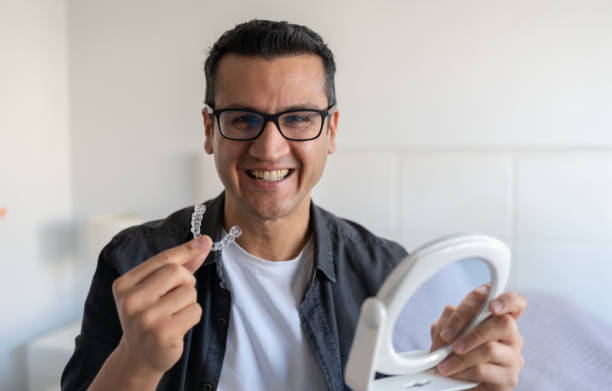
If you’re considering orthodontic treatment but want a less visible alternative to traditional braces, clear aligners may be an option worth exploring. These transparent orthodontic devices have become increasingly popular for addressing various teeth alignment issues. At Bexley Dental, we’ve been providing comprehensive orthodontic care to Sydney patients since 1990, including aligner treatments for suitable candidates.
Understanding Clear Aligners
Clear aligners are transparent, plastic orthodontic devices designed to gradually move teeth into improved positions. Unlike traditional metal braces that use brackets and wires, these removable appliances work through a series of custom-made trays that apply controlled pressure to your teeth.
Each set of teeth aligners is typically worn for one to two weeks before progressing to the next set in the series. The complete treatment process varies significantly based on individual circumstances, with some patients completing treatment in several months while others may require longer periods.
How Clear Aligners Work
The aligner treatment process begins with a comprehensive assessment by an orthodontist:
Initial Consultation and Assessment: Your dentist or orthodontist will examine your teeth, jaw alignment, and overall oral health. This includes taking X-rays, photographs, and detailed impressions or digital scans of your teeth. Not all orthodontic issues are suitable for clear aligner treatment, so this assessment is essential.
Digital Treatment Planning: Using advanced computer https://arabic.von.gov.ng software, your dental professional creates a digital 3D model of your teeth. This model helps map out the planned tooth movements from your current position to the desired final position. You may be shown a computerised projection of the anticipated treatment progression.
Custom Manufacturing: Based on the treatment plan, a series of custom aligners is manufactured specifically for your teeth. Each aligner in the series is designed to move your teeth approximately 0.25 to 0.33 millimeters. The number of aligners needed varies considerably, some patients may need fewer than 10, while complex cases might require many more.
Wearing Your Aligners: For optimal results, aligners for teeth should typically be worn 20-22 hours per day, removing them only for eating, drinking hot beverages, brushing, and flossing. Each set is generally worn for one to two weeks before moving to the next set in the sequence.
Monitoring Progress: Regular check-ups allow your dental professional to monitor your progress and make any necessary adjustments to your treatment plan. Additional refinement sets may be needed to achieve the desired final position.
What Conditions Can Clear Aligners Address?
Clear aligners may be appropriate for certain orthodontic conditions:
- Mild to moderate crowding of front teeth (typically 1-6mm)
- Mild to moderate spacing between teeth (typically 1-6mm)
- Minor bite alignment issues in suitable cases
- Relapse following previous orthodontic treatment
However, clear aligners have limitations. Clinical experience and research suggest they may be less effective than traditional braces for:
- Severe crowding or spacing issues
- Significant bite discrepancies
- Large rotational movements
- Vertical tooth movements (intrusion and extrusion)
- Cases involving jawbone discrepancies
Your dental professional will assess whether your specific orthodontic needs are suitable for aligner treatment or whether alternative approaches might be more appropriate.
Advantages of Clear Aligners
For suitable candidates, teeth aligners offer several potential benefits:
Aesthetic Considerations: The transparent material makes aligners less noticeable than traditional metal braces, which some patients prefer for professional or personal reasons.
Removability: Unlike fixed braces, clear aligners can be removed for eating, drinking, and oral hygiene. This allows you to maintain your regular brushing and flossing routine without navigating around brackets and wires.
Dietary Freedom: Because aligners are removed during meals, there are no dietary restrictions related to damaging brackets or wires.
Comfort Considerations: Many patients find the smooth plastic material more comfortable than metal brackets, though individual experiences vary. Some discomfort is normal as teeth adjust to each new aligner.
You Might Like: How to Get the Most Out of Your Invisalign Treatment
Important Considerations and Limitations
Treatment Compliance: The effectiveness of aligner treatment depends heavily on patient compliance. Failing to wear your aligners for the recommended 20-22 hours daily can significantly delay treatment or compromise results.
Not Suitable for All Cases: Clear aligners are not appropriate for all orthodontic conditions. Complex cases, severe misalignment, and certain bite issues typically require traditional orthodontic approaches.
Attachments May Be Needed: Some cases require small, tooth-colored composite attachments bonded to teeth to facilitate certain movements. These attachments help the aligners grip teeth more effectively but can affect the aesthetic appearance that attracts many patients to clear aligners.
Treatment Duration: While treatment length varies, research indicates average treatment times of approximately 13-14 months for suitable cases. Your individual timeline will depend on the complexity of your orthodontic needs.
Potential for Relapse: Some clinical studies have noted higher rates of relapse in anterior teeth alignment with clear aligners compared to traditional braces. Wearing retainers as prescribed after treatment is essential for maintaining results.
Care Requirements: Aligners require regular cleaning to prevent staining and odour. Hot liquids can warp the plastic material, potentially affecting fit and effectiveness.
The Evidence on Clear Aligner Effectiveness
It’s important to understand what clinical research tells us about clear aligners. A 2014 systematic review examining clear aligner effectiveness found that published studies were of insufficient quality to draw definitive evidence-based conclusions about overall effectiveness.
However, clinical experience suggests that clear aligners can be effective for moderate crowding of front teeth in appropriate cases. They appear less predictable than conventional braces for treating certain conditions including significant rotational movements, bite discrepancies, and vertical tooth movements.
Individual outcomes vary based on multiple factors including the specific orthodontic issue, treatment planning, patient compliance with wear time, and proper case selection.
Orthodontic Expertise at Bexley Dental
Our team at Bexley Dental includes practitioners with advanced orthodontic training and qualifications in Aesthetic Orthodontics. This specialised expertise enables our practice to provide informed guidance on the most suitable orthodontic treatment options for your individual circumstances.
We utilise digital scanning technology for precise impressions and treatment planning, and partner with accredited laboratories to ensure quality orthodontic appliance manufacturing.
Financial Considerations
Clear aligner treatment represents a significant investment in your oral health. Treatment costs vary based on case complexity, treatment duration, and specific clinical requirements. We recommend contacting our practice directly for accurate pricing information relevant to your individual situation.
We accept major health funds and offer payment plan options to help make orthodontic treatment more accessible. Coverage levels vary between health funds and individual policies, so we encourage you to verify your specific coverage details.
Is Clear Aligner Treatment Right for You?
Determining whether clear aligners are appropriate for your orthodontic needs requires a comprehensive professional assessment. During your consultation, we will:
- Evaluate your teeth, bite, and jaw alignment
- Discuss your orthodontic goals and concerns
- Review all suitable treatment options for your situation
- Explain realistic expectations based on your specific case
- Outline the treatment process, timeline, and associated costs
- Answer your questions about aligner treatment
Some patients are excellent candidates for clear aligners, while others achieve better outcomes with traditional braces or other orthodontic approaches. Our goal is to help you understand your options and make an informed decision based on your individual circumstances.
Maintaining Results After Treatment
Regardless of which orthodontic treatment you choose, wearing retainers as prescribed after active treatment is essential for maintaining your results. Teeth have a natural tendency to shift over time, and retainers help preserve the alignment achieved through orthodontic treatment.
Your dental professional will provide specific guidance on retainer wear, which typically involves full-time wear initially, transitioning to nighttime-only wear for long-term maintenance.
Read More: Invisalign Maintenance Hacks: Keeping Your Aligners Crystal Clear and Odor-Free
Your Next Steps
If you’re interested in exploring whether clear aligners might be suitable for your orthodontic needs, we encourage you to schedule a consultation at Bexley Dental. During this appointment, we’ll assess your individual situation and discuss the most appropriate treatment options.
Our team has been serving the Bexley community since 1990, providing general dentistry, cosmetic dentistry, and orthodontic services. We’re committed to helping you make informed decisions about your oral health care.
Contact Bexley Dental at (02) 9567 4151 or visit us at 400 Forest Rd, Bexley NSW 2207 to schedule your orthodontic consultation. We’re here to answer your questions and help you understand your treatment options.
Medical Disclaimer: This information is for educational purposes only and does not constitute medical or orthodontic advice. Treatment suitability, outcomes, and experiences vary between individuals. Clear aligners are not appropriate for all orthodontic conditions. A comprehensive consultation and clinical examination are required to determine whether clear aligner treatment is suitable for your specific circumstances and to discuss potential benefits, limitations, and alternatives relevant to your situation.