
Single Tooth Dental Implants in Sydney
Single Tooth Dental Implants
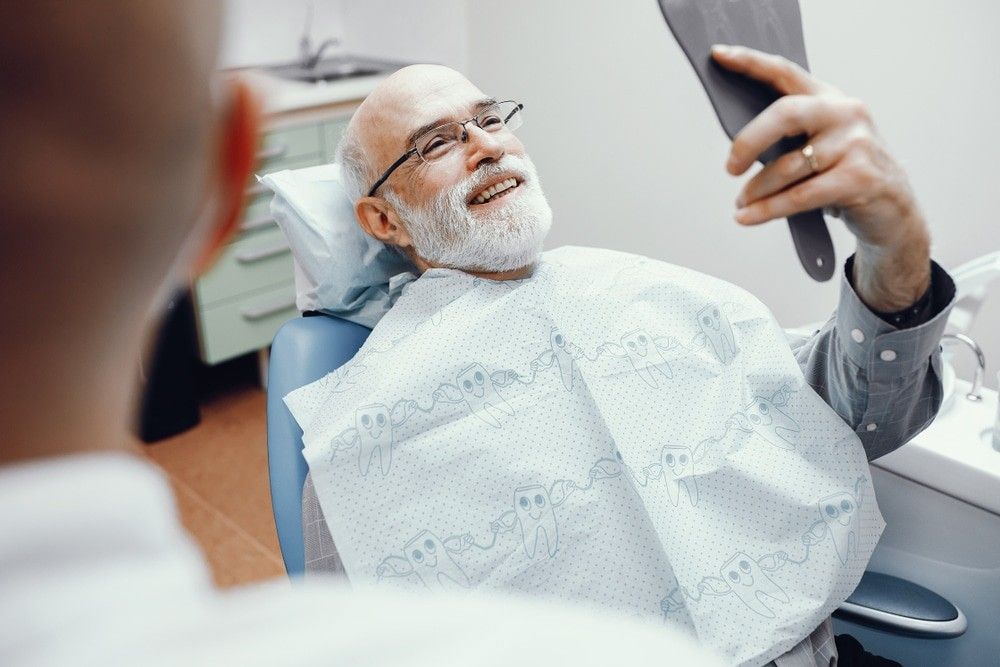
A damaged, decayed, or infected tooth doesn’t just affect how you eat. It affects how you feel about yourself. You might avoid opening your mouth to smile. You worry about how it looks. If there’s pain, you’re managing it daily, avoiding hot or cold foods, taking pain relief, and postponing treatment because you’re not sure what comes next.
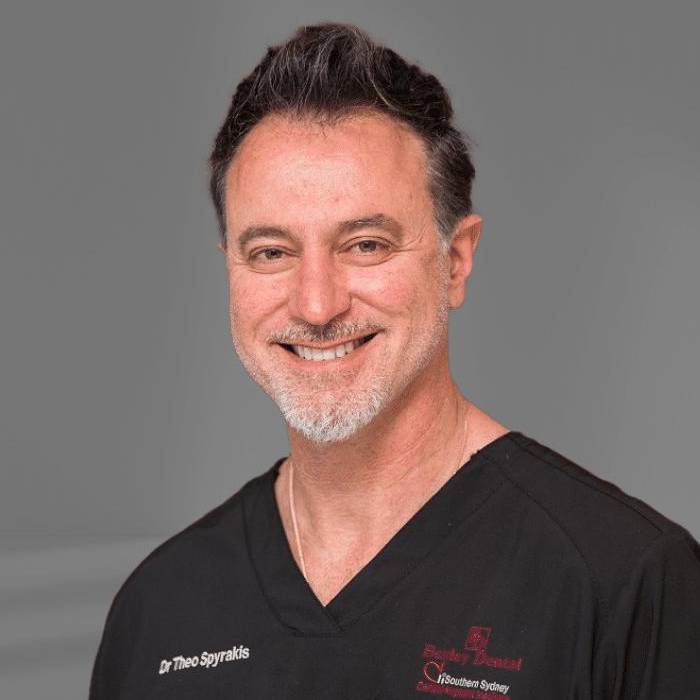
At Bexley Dental, Dr Theo Spyrakis has spent thirty-five years helping patients in exactly this situation. A single tooth implant offers a path forward. The damaged tooth is removed. The implant is placed where the root used to be. And once healed, you have a tooth that looks, feels, and functions like the original.
Book a free assessment to discuss your options and understand what’s involved.


What is a Single Tooth Implant?
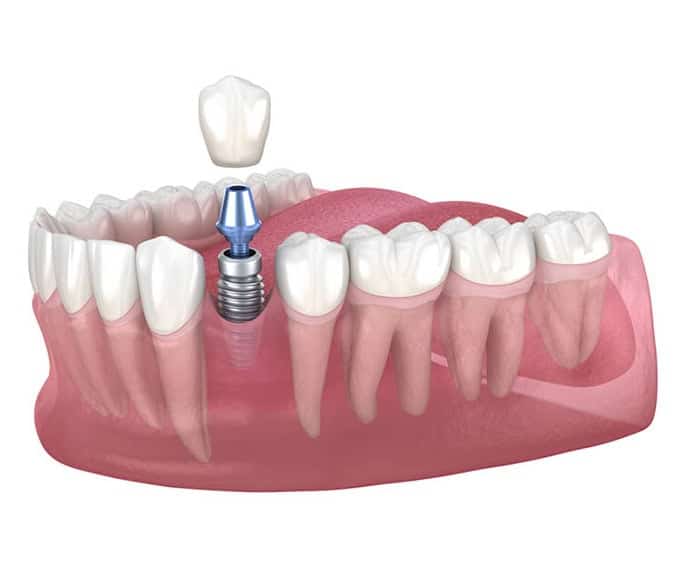
A single tooth implant replaces a missing tooth with a permanent solution that mimics the natural tooth structure. It consists of three parts: a titanium screw placed directly into your jawbone (the implant fixture), a small connector called an abutment, and a custom-made crown that sits on top (the visible tooth).
The titanium implant acts as an artificial tooth root. Over three to six months, your bone naturally integrates with the titanium through a process called osseointegration, making the implant as stable and secure as a real tooth root. This biological integration is what makes implants so effective and long-lasting. And because the implant is anchored directly to bone and doesn’t depend on neighbouring teeth for support, your healthy teeth remain completely untouched. This fundamental difference sets implants apart from every other tooth replacement option.
Single Implant vs Bridge: What’s the Real Difference?
If you’re missing one tooth, you’ll likely consider either an implant or a bridge. These are the two most common options, and understanding the trade-offs matters because your choice affects your teeth for decades.
A traditional bridge uses the healthy teeth on either side of the gap as anchors. Your dentist must grind these healthy teeth down to create a surface on which the bridge can bond. This is permanent damage, so once those teeth are ground down, they can never be fully restored. The bridge typically lasts seven to ten years before it needs repair or replacement. As time passes, the bone underneath the bridge recedes, and the healthy anchor teeth can eventually loosen.
A single implant avoids all of this. Because it anchors directly to bone rather than to neighbouring teeth, your healthy teeth stay completely intact. An implant is designed to last 20 to 40 years, or a lifetime, with proper care. Most importantly, implants actually preserve your bone. The titanium screw stimulates your jawbone the way a real tooth root does, preventing the bone loss that naturally occurs when teeth are missing.
The trade-off is upfront: an implant requires surgery and costs more initially ($5,850–$7,500 for the implant plus the crown). But over twenty years, the implant is more cost-effective because you’re not replacing a bridge every seven to ten years and dealing with damaged anchor teeth.
For most patients, an implant is the better choice if the bone is adequate and you’re willing to undergo the procedure. A bridge is typically chosen only when surgery isn’t possible or when a patient strongly prefers to avoid it.
Single Implant vs Root Canal: When to Save vs Replace
If your dentist has said your tooth needs either a root canal or extraction, you’re at a decision point. Understanding the difference matters because the choice you make now affects your tooth for decades.
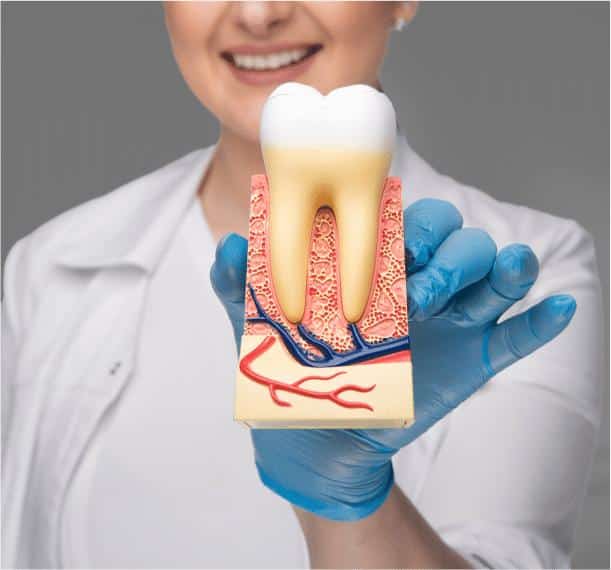
A root canal removes the infected or damaged nerve tissue inside your tooth, then fills the space. The tooth stays in your mouth, but it’s dead and has no blood supply anymore. From the outside, it looks normal, but structurally, it’s weaker. The crown of the tooth becomes brittle over time, and eventually, many root canal teeth need extraction anyway.
An implant, by contrast, removes the entire tooth and replaces it with a titanium screw anchored into bone. Once healed, it functions like a natural tooth and typically lasts much longer.
The honest reality is this: root canals work. For many patients, a root canal successfully saves a tooth that would otherwise be lost. But they’re not permanent. Dr Theo has seen countless root canal-treated teeth that lasted 10 to 15 years before failing and requiring extraction. At that point, the patient is back where they started, needing an implant or bridge, but with more bone loss and a more complicated treatment because the tooth has been sitting there for years.
If your tooth can genuinely be saved with a root canal, if the structure is still sound and only the nerve is damaged, a root canal is a reasonable option. It’s less invasive and costs less upfront. But if the tooth is heavily decayed, cracked, or structurally compromised (which is often why extraction is recommended in the first place), a root canal is often just delaying the inevitable. In those cases, a single tooth implant is the more reliable long-term solution.
The best way to know which applies to your situation is a proper examination and imaging. Dr Theo can assess whether your tooth has a genuine chance of surviving a root canal, or whether extraction and implant replacement is the more honest path forward.
The Single Tooth Implant Procedure
The process of getting a single implant typically takes four to six months from start to finish, though the actual surgery day is just the beginning.
Your consultation is where we make sure this is the right solution for you. Dr Theo examines the gap, checks your neighbouring teeth and gum health, and listens to your concerns. He takes a 3D CBCT scan, which looks like a panoramic X-ray and shows exactly how much bone you have and where it’s positioned. This scan is the key to the treatment planning: it lets Dr Theo see the nerve and sinus location, ensuring he places your implant in the safest, most stable spot.
Surgery day is straightforward and comfortable. You’ll receive local anaesthetic so the area is numb. You won’t feel any pain, though you might feel pressure or vibration. If you’re anxious about surgery, IV sedation keeps you relaxed the whole time. Dr Theo creates a small space in the bone and carefully threads the titanium implant in, like screwing a post in. The procedure takes thirty to sixty minutes, and you go home the same day with clear aftercare instructions. You’ll have some soreness for a few days (like a tooth extraction), but most patients are surprised how manageable it is.
The next three to six months are healing time. Your bone slowly integrates with the titanium; you won’t feel this happening. During this period, you’ll avoid chewing hard foods in that area and attend check-up appointments. Once Dr Theo confirms through imaging that the implant is fully integrated, the final crown can be placed.
The crown is custom-made specifically for you. Dr Theo takes scans, determines your bite and smile line, and works with a skilled technician to create a beautiful crown that matches your natural teeth in colour, shape, and texture. When the crown is fitted, adjusted, and cemented onto the implant, your treatment is complete. From that point forward, the implant functions like any other tooth.


The Recovery Timeline (Realistic)
Most patients return to normal desk work and light activities within one to two days. Full bone healing takes three to six months, during which time your implant integrates with the jawbone. Soreness typically subsides within three to seven days and is managed with over-the-counter pain relief.
Here’s what to expect week by week:
The first week involves some swelling and mild discomfort, which is completely normal after oral surgery. You’ll rest, apply ice packs, and take prescribed or over-the-counter pain relief. Most discomfort subsides within three to seven days. You’ll stick to soft foods during this time.
By week two, you can return to desk work and light daily activities. Swelling decreases noticeably. You can gradually return to a more normal diet, though you’ll still avoid hard or sticky foods in the implant area.
After four to six weeks, most people feel completely back to normal. You can return to exercise, eat most foods normally, and forget about the surgery.
The three to six-month healing phase is invisible. Your bone is integrating with the implant, but you won’t feel anything. You simply live your life while this biological process unfolds. Once healed, your crown is placed, and you’re done.
How Long Will My Single Implant Last?
A properly placed implant can last a lifetime. The titanium itself doesn’t decay and is extremely durable. The crown may eventually need replacement after 10 to 20 years, depending on how much you use it and how well you care for it, but the implant fixture itself typically outlasts everything else.
Success depends on a few factors. Your daily oral hygiene matters, which means brushing and flossing like you would natural teeth. Your gum health matters; visit for check-ups every six months. Your general health and lifestyle choices matter: smokers have higher implant failure rates, and extremely heavy chewing can wear crowns faster. But for most patients who take reasonable care, an implant is a permanent solution.
The success rate for single-tooth implants is above 95 per cent over 10 years. That’s why they’re considered the gold standard for single-tooth replacement.

Caring for Your Implant
Maintenance is straightforward once your implant is fully healed: brush and floss it daily like any natural tooth, visit for professional cleanings every six months, and avoid hard foods. Most implants require nothing more than this routine care for decades.
Daily care involves:
Once your implant is fully healed and your crown is in place, maintenance is straightforward.
Brush twice daily with a soft toothbrush, just as you would natural teeth. Floss or use an interdental brush around the implant; this is important because the space between the implant and gum needs to stay clean. You can use traditional floss, but many patients find an interdental brush easier to manoeuvre around the implant.
Visit Bexley Dental every six months for professional cleaning and check-ups. These appointments catch any small issues before they become problems. Most implants go decades with nothing more than routine care.
Avoid chewing on very hard objects, which can damage the crown. If you grind your teeth at night, ask Dr Theo about a night guard. Otherwise, treat your implant like a natural tooth, and it will serve you for decades.
Cost and Payment Options
At Bexley Dental, a single tooth implant starts at $5,850. This includes the titanium implant (Nobel Biocare, the most trusted brand), 3D imaging, surgical placement, the abutment, and the crown.
The final cost depends on your personal circumstances. If bone grafting is necessary, as determined during your initial 3D scan, it adds an additional cost to the total. Many patients don’t require bone grafting. The material selected for your crown may also affect the final cost, as premium materials carry different fees than standard options.
A 3D scan and consultation with Dr Theo will show whether any additional treatment is needed and provide you with a clear, itemised quote before you commit to anything.
Financing is available. Bexley Dental partners with Total Lifestyle Credit to offer flexible payment plans starting from $2,001. You can spread the cost over twelve to twenty-four months with transparent terms and competitive rates.

Is a Single Implant Right for You?
A single implant is a good fit if you have one missing tooth, adequate bone volume, healthy gums (or gums that can be treated), and you’re willing to undergo a straightforward surgical procedure. You should be committed to routine oral hygiene and willing to attend follow-up appointments.
If multiple teeth are damaged or missing, not just one, a single implant won’t address the full problem. Our Guide to Full Mouth Implants explains your options for replacing an entire arch and which treatment might be right for your situation.
If you smoke, implants are still possible, but the success rate drops significantly. Dr Theo will discuss this honestly with you and may recommend quitting or reducing before surgery.
If you have uncontrolled diabetes or certain medical conditions, surgery might need to wait until those conditions are stable. If you’ve had extensive bone loss, bone grafting might be necessary before the implant can be placed.
Not sure if you’re suitable for a dental implant? Take our free online implant suitability test to find out.
However, the only way to know for certain is for Dr Theo to examine you and review your 3D scan. That’s what the free implant consultation is for.
Why Choose Bexley Dental
Dr Theo Spyrakis has placed over 8,000 dental implants across thirty-five years, which means he’s developed a precise understanding of bone structure, positioning, and outcomes. He trains with leading implant surgeons internationally, including Professor Paolo Malo in Portugal, the clinician who developed the All-on-4 technique that revolutionised full-arch implant treatment. This training informs how he approaches even single implants: precise angling, depth control, and bone preservation matter in ways that casual implant dentists don’t always prioritise.
He places over 550 implants every year, which means he stays current with techniques and gains experience most general dentists never accumulate. This volume also means he’s seen rare complications and anatomical variations, and knows how to handle them.
For your single-tooth implant, this translates to: precision 3D planning that maximises bone contact and minimises healing time; strategic positioning that optimises both crown aesthetics and long-term implant stability; and recognition of potential complications before they develop. Dr Theo personally oversees your case from consultation to final crown, so the expertise behind your implant doesn’t change hands.
Based in Bexley, Dr Theo welcomes patients from across Sydney, including St George, Sutherland Shire, the Inner West, and the Eastern Suburbs. Dr Theo’s clinic offers convenient parking and is accessible from most Sydney locations via bus or car.

Schedule Your Consultation
If one missing tooth is affecting your confidence, eating, or smile, a single tooth implant offers a permanent solution that preserves your remaining natural teeth and functions exactly like a real tooth.
Dr Theo’s free thirty-minute consultation includes a thorough examination, 3D imaging, and an honest assessment of whether an implant is suitable for your situation. You’ll understand exactly what’s involved, what it costs, and what to expect.
Book your free consultation or call (02) 9567 4151 today.
Frequently Asked Questions
How painful is the procedure?
The surgery itself isn’t painful because you’re numb. After the anaesthetic wears off, you’ll feel soreness for a few days, similar to a tooth extraction. This is managed with over-the-counter pain relief.
Can I eat normally after the implant is placed?
Not right away. For the first week or two, you’ll stick to soft foods, such as scrambled eggs, soup, pasta, and smoothies, while the implant integrates with the bone. By week three or four, most people gradually move back to normal eating. Once your crown is placed and fully healed (usually at four to six months), you can eat anything, including steak and hard nuts. The implant is as strong as a natural tooth.”
What happens if the implant fails?
This is rare, less than five per cent. Most patients never experience it. If an implant fails (which usually presents as looseness or persistent pain), Dr Theo will discuss whether replacing the implant makes sense for your situation or whether an alternative, such as a bridge, might be preferable at that point. The good news: having explored implants with us means you’ve already ruled out the less durable options.
Do I need bone grafting?
Most people don’t. Many patients have sufficient bone in the area of the single tooth to support an implant directly. The 3D scan will show whether you do or don’t. If you do need grafting, it adds time (four to six months) and cost ($1,500–$4,000), but it’s a reliable procedure, with a ninety-seven per cent success rate. Dr Theo will be clear about this before you commit to anything.
How is this different from an All-on-4?
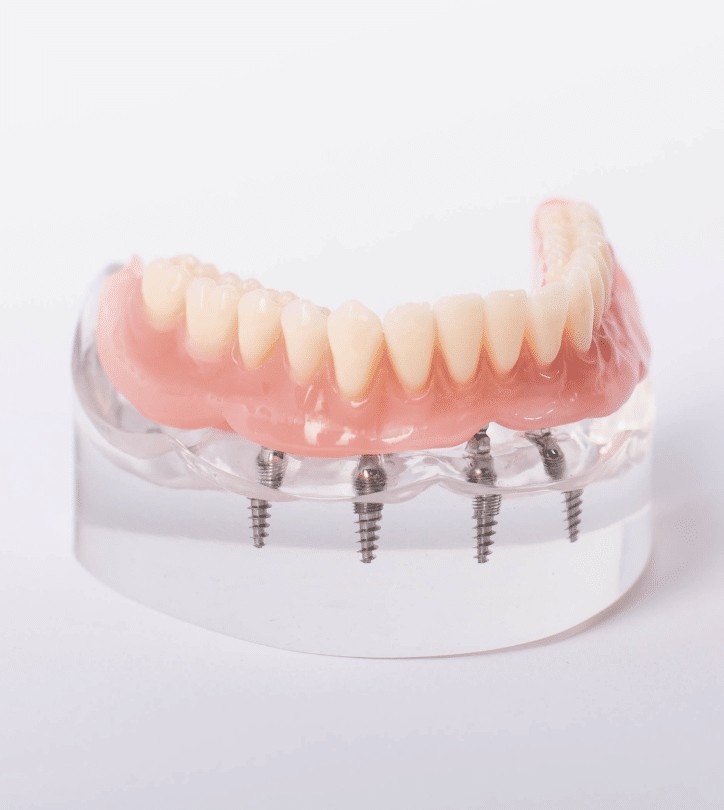
An All-on-4 uses four implants to support an entire arch of teeth (twelve to fourteen teeth). A single implant replaces just one tooth. The surgical approach is similar, but the complexity and timeline are different.
Will my insurance cover it?
Most standard Australian health insurance doesn’t cover dental implants. Check your specific policy, but plan to self-fund. Payment plans make this manageable.
Can I get an implant if I have gum disease?
Active gum disease must be treated first. Once your gums are healthy, an implant can be placed.
Ready to schedule your Implant Assessment?
Simply pick up the phone and call us at (02) 9567 4151 today