Walk into any Australian chemist in 2026, and you’ll find entire aisles dedicated to teeth whitening products. But does teeth whitening toothpaste deliver the same results as professional teeth whitening?
At Bexley Dental, we’ve been providing cosmetic dentistry services to Sydney patients since 1990. This guide examines the science, safety, and effectiveness of different whitening approaches to help you choose the best teeth whitening method.
Understanding Tooth Discolouration
Extrinsic Stains affect the enamel surface from coffee, tea, red wine, tobacco, and foods containing chromogens (colour compounds). These respond relatively well to various whitening approaches.
Intrinsic Stains originate within the tooth structure, affecting the dentin layer. These result from aging, medications (particularly tetracycline antibiotics), excessive fluoride exposure, or dental trauma. Intrinsic staining typically requires professional intervention.
How Teeth Whitening Toothpaste Works
Teeth whitening toothpaste represents the most accessible whitening option. Understanding what these products achieve is crucial for realistic expectations.
The Mechanism
Whitening toothpastes use two approaches:
Mechanical Abrasion: Mild abrasives like hydrated silica, calcium carbonate, or sodium bicarbonate physically scrub surface stains.
Chemical Whitening: Low-concentration bleaching agents. Australian regulations allow maximum 6% hydrogen peroxide in over-the-counter products. Most teeth whitening toothpastes contain 1-3%.
Effectiveness
Current evidence indicates whitening toothpastes can reduce surface stains but produce more modest results compared to professional treatments. They help maintain brightness after professional whitening but cannot dramatically change natural tooth shade.
Key Limitations
Surface-Level Only: Cannot address intrinsic stains or significantly alter natural tooth colour.
Enamel Concerns: Overuse or aggressive brushing can contribute to enamel erosion, increasing sensitivity.
Sensitivity Issues: Some people experience tooth sensitivity or gum irritation from whitening ingredients.
Time Investment: Results require weeks to months of consistent use and diminish quickly once discontinued.
Professional Teeth Whitening: Clinical Approaches
Professional teeth whitening differs fundamentally from over-the-counter products. In Australia, only registered dental professionals may use products containing more than 6% hydrogen peroxide, as mandated by the Poisons Standard.
In-Chair Teeth Whitening
In-chair whitening uses professional-grade bleaching agents, typically 15-38% hydrogen peroxide, for rapid colour change.
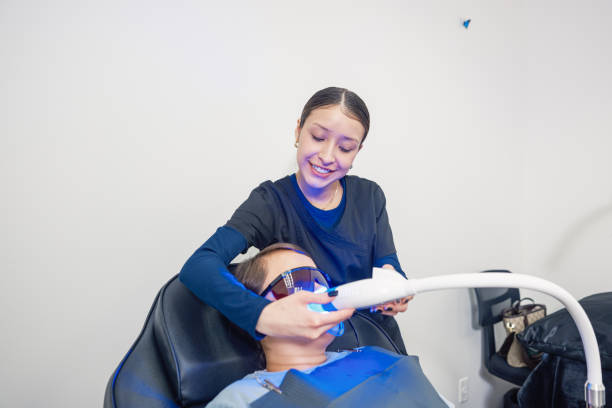
The Process: After comprehensive oral examination, protective barriers shield gums from high-concentration bleaching gel. The whitening agent is applied to enamel surfaces. Systems like Philips Zoom Whitespeed incorporate LED light activation to enhance stain molecule breakdown.
Sessions last 45-60 minutes. Clinical studies show treatments can lighten teeth by several shades in one appointment, with results lasting 1-3 years.
2026 Technology: Modern formulations include desensitising agents like amorphous calcium phosphate (ACP) to reduce sensitivity while strengthening enamel.
Read More: 8 Benefits of Professional Dentist Teeth Whitening
Professional Take-Home Kits
Professional kits provide gel containing up to 14% hydrogen peroxide, significantly stronger than the 6% retail maximum. Custom-fabricated trays ensure even gel distribution and minimise gum contact.
Treatment involves wearing gel-filled trays for 30-60 minutes daily over approximately 14 days. Results can rival in-chair treatments when protocols are followed.
Professional Supervision Benefits
Dental practitioners assess suitability, identify contraindications like untreated cavities, ensure appropriate techniques, and allow treatment customisation based on sensitivity and desired outcomes.
Comparing Effectiveness: Evidence-Based Results
Clinical evidence provides clear guidance when evaluating the best teeth whitening method:
Whitening Magnitude: Professional teeth whitening produces more dramatic results. In-chair treatments can lighten teeth by several shades in a single session. Professional take-home kits achieve measurable shade improvement over the treatment period.
Speed: Professional treatments deliver results within hours (in-chair) or days (take-home). Whitening toothpastes require weeks to months of daily use.
Longevity: Professional whitening results can persist for 1-3 years with appropriate maintenance. Whitening toothpaste effects diminish within 1-2 weeks once discontinued.
Stain Type: Professional treatments address both extrinsic and some intrinsic staining. Whitening toothpastes work exclusively on surface stains.
You Might Like: Which Teeth Whitening Treatment is Best?
Safety: Why Australian Regulations Matter
In Australia, only registered dental practitioners are legally permitted to use whitening products containing more than 6% hydrogen peroxide, as prescribed by the Poisons Standard.
Unregulated Product Risks: Australia’s Poisons Standard restricts the sale of products containing more than 6% hydrogen peroxide to registered dental practitioners. Products sold outside regulated channels may contain unverified concentrations and carry significant risks including enamel erosion, chemical burns, and uneven results.
Professional Safety: Registered practitioners follow evidence-based protocols with pH-balanced formulations, protective barriers, and individualised planning.
Choosing the Right Approach
Determining the best teeth whitening method depends on your circumstances:
Consider Professional Teeth Whitening When:
- You want significant, rapid results
- You have moderate to severe discolouration
- Over-the-counter products haven’t worked
- You value professional supervision
- You want long-lasting results
Whitening Toothpaste May Suit You When:
- You have mild surface staining only
- You’re maintaining professional whitening results
- You want gradual, subtle improvement
- Budget currently limits professional treatment
- Your expectations are modest
Combination Strategy: Many dental professionals recommend professional whitening followed by maintenance with whitening toothpaste for optimal long-term results.
Safe Teeth Whitening: Selection Guidelines
For Whitening Toothpaste: Choose products with Australian Dental Association approval, fluoride content, and transparent ingredient listing.
For Professional Treatment: Ensure provider registration with Dental Board of Australia and use of TGA-compliant whitening systems.
Cost-Effectiveness Analysis
The cost of professional whitening varies depending on the treatment approach selected. For current pricing, contact Bexley Dental directly or visit the practice website.
Maintaining Your Bright Smile
Dietary Awareness: Limit coffee, tea, red wine. Use straws for staining beverages and rinse afterward.
Oral Hygiene: Brush twice daily with fluoride toothpaste, floss daily, attend regular cleanings.
Tobacco Cessation: Smoking causes stubborn staining and impacts whitening outcomes.
Professional Touch-Ups: Periodic refresher treatments help maintain results long-term.
Common Questions About Cosmetic Teeth Whitening
Will whitening damage my enamel?
Professionally administered teeth whitening is not expected to damage healthy enamel when protocols are followed. Professional treatments use pH-balanced formulations protecting tooth structure. However, overuse of highly abrasive toothpastes or misuse of high-concentration products can cause erosion.
Why do I experience sensitivity?
Temporary sensitivity is common and typically resolves within 24-48 hours. Whitening agents temporarily open enamel pores, allowing fluid movement that triggers nerve sensitivity. Modern professional treatments incorporate desensitising agents reducing this effect.
Do treatments work on dental restorations?
No. Crowns, veneers, bonding, and fillings don’t respond to whitening agents. Discuss visible restorations with your dentist before whitening, as you may need replacement to match newly whitened natural teeth.
How white can teeth become?
Results vary based on natural tooth colour, stain type and severity, enamel thickness, and treatment approach. Your dentist can show expected outcomes using shade guides during consultation.
Professional Guidance at Bexley Dental
For Sydney residents considering professional teeth whitening, the first step is a consultation with a registered dental practitioner who can assess stain type, discuss appropriate options, and provide realistic expectations based on your individual circumstances. Contact Bexley Dental to arrange an appointment.
Your Next Steps
Schedule a consultation for comprehensive examination, assessment of stain type, discussion of treatment options, and realistic expectations about results.
While teeth whitening toothpaste has its place, professional teeth whitening can deliver more significant, longer-lasting results for significant improvement.
Disclaimer: This article is for general informational purposes only and does not constitute clinical advice. Individual treatment outcomes vary. Cosmetic dental treatment at Bexley Dental is provided following a comprehensive clinical assessment by a registered dental practitioner.