
Full Mouth Dental Implants
Full Mouth Dental Implants for a Natural, Lasting Smile
If you’ve been struggling with damaged or missing teeth or aren’t happy with your dentures, then you’ve come to the right place to find out about the alternatives for full teeth replacement. The full mouth implant procedure is an advanced technique, which allows an arch of teeth to be supported by only four teeth implants. As a quick, minimally invasive, and extremely successful procedure, full arch implants has become a popular alternative to dentures. With a highly trained and experienced dentist at the helm, full mouth dental implants produces beautiful results, giving patients back their smiles and enabling them to smile again with confidence. As an expert in All On 4 Implants in Sydney, we’ve put together a guide to cover everything you need to know about full set of dental implants, helping you make the right decision for you.

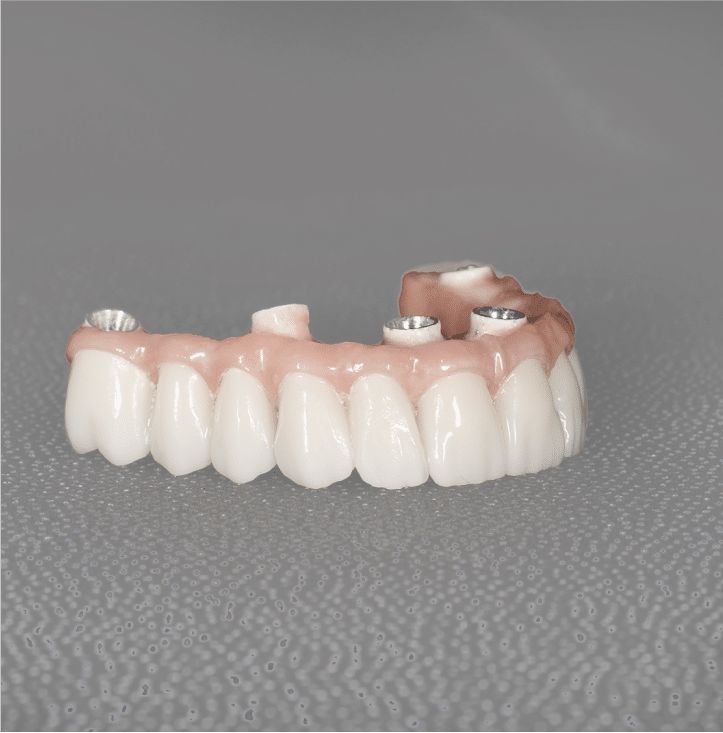
What Is The All On 4 Dental Implant Procedure?
The question is, What is All On 4? All On 4 is an advanced dental implant technique. Dental implants are small titanium screws that fit inside your jawbone to replace the root of a missing tooth. In the case of a single tooth, a crown would be attached to the implant to produce an incredibly realistic and functional prosthetic tooth. In the case of full mouth implants, the whole set of upper or lower teeth is replaced, but, instead of needing an implant for each of them, they are supported with just four dental implants.
In conventional dental implants procedure, to replace a full arch, eight or more implants are required. This method has limitations as it requires implants to be screwed into areas of reduced bone density at the back of the mouth. This can require bone grafting and sinus augmentation to strengthen the jaw bone, a significantly more invasive procedure. Conversely, with All On 4, only two implants are needed at the back of the mouth, cleverly angled at 45 degrees to avoid bone-deficient areas while retaining strength.
All On 4 Offers Some Distinct Advantages Over Conventional Implants:

Only four implants are needed to support a full arch
Eliminates the need for bone grafting
The less invasive procedure reduces the healing and rehabilitation process
It’s a much quicker procedure
There is more flexibility to design and fit the optimum replacement teeth
Doesn’t require the same density of bone to secure the implant
You receive your new fixed teeth in as little as 24 hours after surgery
The History Of Full Mouth Implants
In 1990, Prof. Paulo Malo of the Malo Clinic in Portugal, backed by Nobel Biocare, carried out a series of studies into the viability and effectiveness of the All On 4 approach. He recognised the potential treatment benefits as well as the cost savings and, in 1998, treated his first ever patient. The idea of having a full set of teeth supported by just a few implants wasn’t a new one, of course.
However, it was the innovation of adopting a 45-degree angle for posterior implants that led to the evolution of All on Four implants and its acceptance as a superior treatment option.
Prof. Malo has become a world-renowned expert in advanced oral rehabilitation, inventing several other techniques to help patients with complex restorative cases. He is also the author of several leading books in the field of restorative dentistry, has released several scientific publications and has lectured around the world on oral rehabilitation.
Malo Clinic Education was created by Prof. Malo to enable him to train other restorative dental professionals wanting to develop their expertise in All On 4 dentistry. Bexley Dental’s Dr Theo Spyrakis™ has studied two mini-residencies at the Malo Clinic with Professor Malo to further his knowledge, concept development and real-life case experiences of full mouth dental implants.
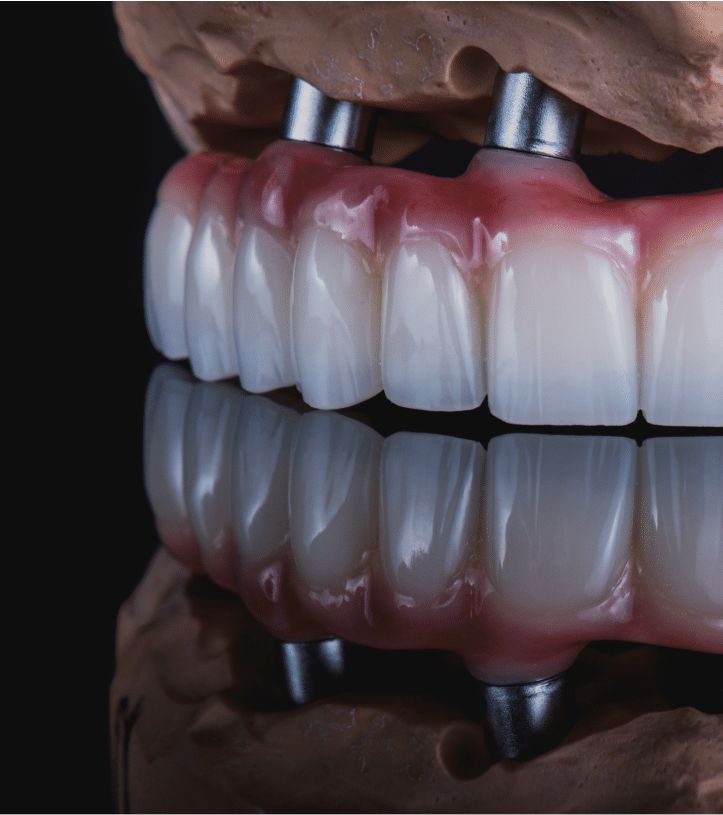

Full Mouth Implants At Bexley Dental
Bexley Dental was opened by Dr Theo Spyrakis™ in 1992 and has been serving the Bexley community ever since. At Bexley Dental we see it as our job to put a smile on your face both before and after treatment. We do that by giving you all the information you need to make the right choices – including our regular in-house All On 4 seminar. Dr Spyrakis has spent the last 20 years dedicating his expertise to dental implants and full teeth replacement, so, if you are considering a full set of teeth implants, then you’ll certainly be in safe hands.
The clinic at Bexley Dental is exceptionally welcoming, and alongside Dr Spyrakis, we have a team of experienced dentists, hygienists and dental nurses who are all experts in their fields all while putting patients at ease. All of our full arch dental implant procedures are led by Dr Spyrakis, and his continued passion and enthusiasm for the field of implantology ensures we offer the very best treatment to our patients.
Dr Theo Spyrakis™ – Our All On 4 Expert
Dr Spyrakis started his career in general dentistry, but it wasn’t long until he noticed the tremendous need for better treatment options for patients requiring dentures. He saw his patients struggling with loose and poorly fitting dentures, which were not only uncomfortable but often left them lacking in self-esteem.
In 2002, Dr Spyrakis attended an education program on the latest developments in implant dentistry. And that’s when he first learned about the All On 4 technique. The full mouth dental implant procedure was exactly the type of treatment option he’d been looking for. The ability to support a full set of teeth with just four implants gave so many more options for placement–without bone grafting–meant that patients had a new option available to them.
Not only did the All On 4 technique provide a new option for people who would struggle with their dentures because they were loose or poorly fitted, making them incredibly uncomfortable, and even affecting their self-esteem, but it opened up the possibility of implants for previously unsuitable patients.

Since learning about the treatment 20 years ago, Dr Spyrakis has dedicated his working life to full mouth implant dentistry and has spent the last 19 years travelling the world to ensure he trains with the very best in the field:
New York and Las Vegas, USA – undertook an intensive surgical implant training
Marseille, France – studied with innovative leaders in surgical implants Dr Patrick Palacci and Dr Franck Renouard
Sydney University, Australia – completed a mini-residency in Oral Implantology
Malo Clinic, Portugal – selected to study with the founder of the All On 4 technique
While Bexley Dental offers a full-service dental practice, Dr Spyrakis focuses the vast majority of his time to the All On 4 treatment, performing over 550 All on four and single dental implants procedures every year. What this means is that implant dentistry is more than just an additional service at the practice; it is a distinct specialism. Dr Spyrakis is recognised as one of the most experienced full mouth dental implant dentists in Sydney and has made a significant impact on many patients’ lives.
Who Is Suitable For All On 4 Implants?
The short answer is that a full mouth implants can be a consideration for anyone who is struggling with failing, damaged or missing teeth. There are some common scenarios in which we might suggest the treatment:
- You don’t have a fully operational set of teeth, and it greatly impacts upon your day to day life, what you can eat and how you look when you smile.
- You have tried wearing dentures but are fed up with them not fitting correctly, causing you discomfort, and potentially flying out of your mouth mid-sentence.
- You’ve been unable to have conventional implants due to reduced bone density resulting from tooth loss or gum disease.

However, while it is often the case that the full mouth implant procedure provides the most comfortable, natural-feeling solution for damaged or missing teeth, there are some medical conditions and lifestyle choices that require further thought before deciding upon the treatment:

1. What if I Have High Blood Pressure?
If you already have high blood pressure, then the thought of undergoing any surgery can be a major concern. In fact, the additional rise in pressure caused by anxiety and the adrenalin in the anaesthetics historically meant that implants weren’t a possibility.
Fortunately, nowadays there are ways to alleviate the risks associated with high blood pressure. Firstly, as part of our medical assessment we would advise you to see your doctor regarding the procedure. They will be able to ensure that your medication is adequately adjusted and potentially make small adjustments that will ensure your blood pressure remains within the necessary range to carry out the procedure safely.
The second option, and one we often recommend, is sleep dentistry. Sleep dentistry uses IV sedation, which, not only isn’t adrenalin based, but is safer than general anaesthetic. What’s more, sleeping through the surgery minimises the impact of anxiety and stress.

2. What if I Have Periodontal Disease?
It is a common misconception that periodontal disease will stop you from having dental implants. The reality is that periodontal disease is, more often than not, the cause of failing teeth. There is no reason that periodontal disease should stop you having a full arch implant procedure and the treatment could well solve the problem

3. What if I Have a Lack of Jaw Bone or Osteoporosis?
The All On 4 implants method is the ideal solution for those with a lack of bone as the angled implants don’t need as much bone density to be secure. As the implants anchor into the jaw bone in an innovative way, it often isn’t necessary to undertake invasive bone grafting procedures.
In the past, a lack of jaw bone or poor quality of bone was a significant problem for those wanting implants. The procedure required a considerable amount of preliminary work to build the jaw back up to be strong enough to support up to eight implants.

4. What if I Smoke?
It’s important to understand that smoking whilst having dental implants increase the chances of dental implant failure. The reason being that smoking restricts the amount of blood which flows to the tissues around the implant, resulting in reduced oxygen and nourishment. By smoking, the natural healing process is compromised, and the area will struggle more to recover from the surgery. Smoking can also limit bone growth, affecting the integration of the implant into the jawbone.
People who start smoking again after implant placement are much more likely to have implant failure. If you’re a smoker considering dental implants, the ideal solution would be for you to quit permanently. However, we understand that this isn’t always possible and respect the life choices of our patients. What we do insist, however, is that you are able to stop smoking during the procedure and for at least two weeks after. If you give yourself time to heal, then you have much more chance of successful treatment outcome.

5. What if I have Uncontrolled Diabetes?
While smoking is a factor that is completely in your control. Not everyone has control over the health conditions that impact their eligibility to have a dental implant procedure. For many, Diabetes and High Blood Pressure used to be two conditions that could easily cause them to be ineligible for treatment with dental implants.
For patients with Diabetes, the primary concern has always been a high risk of implant failure. Diabetes makes patients more susceptible to infections and vascular diseases, thanks to the condition’s impact on the body’s healing processes.
That meant a much higher risk for peri-implantitis, an inflammatory process that causes bone loss around the dental implant. But due to advancements in the treatment of diabetes, it no longer has to prevent people from having the procedure. As long as blood sugar levels can be maintained, the patient’s body is able to fight infection and heal normally, lowering the risk for diabetes-related complications. And increasing the dental implant treatment’s success rate.
There are still precautions and certain conditions that need to be met before patients with those conditions can be cleared to undergo treatment. The good news is that many more people with these conditions are eligible today thanks to advances in medical treatment that allow their conditions to be more effectively controlled.

If your teeth are embarrassing you, or making it hard to enjoy your favourite meals, it’s time to schedule a complimentary implant Assessment with Dr. Spyrakis.
What is a Full Mouth Implant Treatment Like
At Bexley Dental, having a full arch implant treatment comprises of three main stages:

Is The Full Mouth Dental Implant Treatment Painful?
We are often asked how painful a full mouth implant treatment is and it is an understandable concern. Firstly, you will be anaesthetised during the procedure, so you shouldn’t feel any pain. If this is still something that worries you, then we can work through it together. This might be in the form of relaxation techniques, moral support or, in some instances, sleep dentistry.
In terms of pain after the treatment, you will likely experience some mild discomfort due to swelling and bruising. This should be easily treatable with pain relief medication and, as we’ve explained above, should subside within a couple of days.

Can Anything Go Wrong With Full Mouth Implants?
It’s only normal to be concerned about complications with any surgery and, while the success rates are very high, some do fail. Three main factors can cause dental implant failure:

Patient Health
The general health of the patient has a significant impact on the success of treatment. For example, those with uncontrolled diabetes, who smoke or have bad oral hygiene are more susceptible to peri-implantitis, an inflammatory response caused by a formation of bacteria in the mouth.

Post-Procedure Care
It’s vital that patients adhere to their post-procedure care, eating a soft diet while their bone has time to grow around the implant and set it in place.

Competence Of The Dentist
The skill and expertise of the dentist carrying out the procedure is fundamental. Highly skilled dentists will ensure impressions are taken correctly, implants accurately aligned and will reduce any risks of nerve damage.
How to Choose a Full Mouth Implant Dentist
As we’ve touched on above, choosing the right dentist is critical to the success of your implant treatment. You want to ensure you have the best possible placement for your implants while also ensuring your smile looks just the way it should.
There are three primary considerations when choosing a dentist to perform your All On 4 treatment.
Although finding the right dentist might seem like quite a task, an experienced dentist will be transparent about their skills and training, able to list the materials that will be used and should offer you some level of post-treatment guarantee. At Bexley Dental we guarantee your implants for up to seven years, meaning that if something does go wrong, for whatever reason, we’ve got you covered

Type of Dentist
It’s advisable to find a dentist that is experienced and knowledgeable in both surgical and cosmetic dentistry, so you don’t fall short in either aspect of your full arch implant treatment. A dentist who combines these skills will be able to ensure your implants are accurately positioned while also ensuring you get a beautiful result.

Dentist Training
There is a choice for dentists to either take short courses or intensive postgraduate courses to become qualified to perform the All On 4 treatment. It is the postgraduate courses, aimed at dentists wishing to focus exclusively on dental implants, that delve further into the intricacies of treatment planning and make a great deal of difference to the quality of dentistry that results.

Materials
You need to ensure the materials used for your implants, framework and teeth comply with Australian safety and quality regulations. There are many different types of dental implants and procedural materials. Low-cost providers and overseas laboratories may use inferior materials, which can lead to discolouration and other complications.
If any of these factors are relevant in your case, your dentist will discuss them with you prior to treatment. Once you have had the All On 4 treatment, it’s vital that you follow your dentist’s advice on how to keep them clean and functioning properly. In theory, All On 4 implants should last a lifetime.

Is it Worth Having Dental Implants Abroad?
It can be a tempting prospect to head somewhere where your money goes a little further to undergo a medical procedure. Admittedly the cost of living in Australia isn’t the cheapest, and we can see the lure of bundling your treatment in with a holiday in the hope of saving some money.
If you like the idea of having your implants done on holiday, then there are indeed some quality clinics that are worth considering. However, even if you choose an implant expert, there are additional considerations to bear in mind when you’re away from home.
However, while it is often the case that the full mouth implant procedure provides the most comfortable, natural-feeling solution for damaged or missing teeth, there are some medical conditions and lifestyle choices that require further thought before deciding upon the treatment:

Consultations And Treatment Planning
You will want to determine your eligibility for treatment ahead of time; how do they handle the process and will you have time for a thorough assessment as well as the procedure during your trip?

Additional Treatment
In some instances, even with All on Four, you will need treatments such as bone grafting before your procedure, which can take multiple visits. What will you do if this is decided as a result of your assessment?

Follow up Care
Do you need to stay long enough for a follow-up visit or is it recommended to do this back at home? You will need to think of the continuity of care and cost implications.

Complications
You need to consider what happens if there are complications once you get home. The cost savings you made will soon be eaten away at if you need to fly back and forth to have repair work done. Do they have a plan in place to work with a local dentist in this scenario?
As with any decision you make regarding your treatment, while going overseas isn’t intrinsically wrong, it certainly requires a lot of thought. Make sure you’ve covered all your options and reviewed all the scenarios before booking your flight.
What Is The Cost Of Full Mouth Dental Implants?
If you’ve been researching full mouth implant dentistry and the dentists that can perform the procedure, then no doubt you’ve noticed the wide disparity on cost. Implant procedures can cost anywhere from $5,850 to $50,000, depending on the scope and type of treatment. For most people, that’s a massive investment in their mouths. Unfortunately, due to the many factors that impact upon cost, it’s not easy to compare prices like-for-like.
While licensed dentists appear to have all the necessary qualifications to offer you the service you’re looking for, you need to consider the results and longevity of your implants. The following three factors will impact both the cost of All On 4 and the outcome of your procedure:
1. The Dentist’s Level Of Education
they can maximise your comfort and the longevity of your implants.
2. The Materials Used
These need to be high-quality to ensure you have a durable and natural-looking implant.
3. The Dentist’s Experience
A dentist who focuses on dental implants and has a broad range of real-world experience, will be more able to give you the treatment you need.
It really is a case of getting what you pay for. While you don’t want to pay above the odds, it’s vital that you undergo the treatment with a highly qualified, experienced dentist, using only the best-quality materials. After all, it is worth the investment up front to avoid expensive and potentially painful problems down the road.

Full Mouth Dental Implants Payment Plans and Finance Options
We understand that dental implants are a significant investment in your future and that many of us don’t have the means to pay a lump sum upfront. There are numerous finance options that can relieve the burden a little, making sure the cost doesn’t impact upon that new smile of yours:
- MediPay payment plans – Offers you a fast and easy option to finance your dental procedures. Payment Plans up to $30,000. The application process is quick and funds are available on the same day.

Accessing Your Superannuation To Pay Your Treatment
As well as considering finance options and payment plans, it may be worth looking at whether you can fund the treatment through your superannuation. It is sometimes possible to use a percentage of your super on compassionate grounds to fund medical treatment. You’ll need to make an application to the ATO, and, if your condition is causing acute or chronic pain, you may well be eligible. At Bexley Dental, we recommend a company that can help prepare the application and ensure that all the details are filled out correctly to maximise your chances of receiving the funding you need. This service costs $679.
The Next Step in Getting Full Mouth Implants in Sydney
If you’re tired of trying to hide your smile and want to find out more about the options that are available to you, then Bexley Dental can help. We offer a complimentary implant assessment where Dr Theo can take a look at your personal needs and treatment outcomes.
Our implant assessment includes:
- Thorough 30-minute consultation with Dr Spyrakis
- 3D panoramic scan of your teeth and jaw
- Personalised treatment plan

Take the first step in transforming your life and your smile.
Call us today to book your complimentary implant assessment on (02) 9567 4151
Frequently Asked Questions
How much does full mouth dental implants cost?
At Bexley Dental, All-on-4 full arch treatment is $18,998 to $34,998 per arch, depending on the teeth package. Sleep sedation and any bone grafting are extra. You receive a personalised quote after assessment.
Do I need to be under anaesthesia for the procedure?
Treatment is done under local anaesthetic or IV sleep dentistry, with sedation given and monitored by a medical doctor. You don’t need to stay in hospital.
How many teeth can an implant support?
A conventional implant usually supports one or two teeth. With All-on-4, four implants, with the back two angled at up to 45 degrees, support a full arch.
How much does all on four dentures cost?
Traditional dentures are less expensive upfront than All On 4 dentures. Conventional dentures cost around $4,000 for a full set, whereas All On 4 dentures can cost anywhere from $15,000 to $30,000. However, there are many other aspects to consider when weighing up the cost. Regular dentures accelerate bone loss and get loose over time. While the initial price is considerably lower, there will be ongoing costs and replacements required over time. There is also the cost of cleaning solutions and adhesives to consider.
All On 4 dentures are undoubtedly a significant investment. However, they offer a much more permanent solution. It is hard to compare the cost for all on four like-for-like. The price will vary according to individual requirements and whether both upper and lower arches will need to be replaced. The important aspect when considering the cost of treatment is quality. It is vital to ensure your dentist has the right level of experience and training and that the materials used will be of the highest quality. This will ensure that you get the best value for money and the longest lasting results.
What Are The Disadvantages Of Dental Implants?
Implants need surgery, cost more upfront than dentures, and can fail. Implant crowns can also be more prone to fracture because implants lack the natural cushioning of a tooth root.
How long does the procedure take?
Full arch implant surgery usually takes 3 to 4 hours.
How long will the implant last?
With good home care and regular check-ups, implants can last many years. Longevity depends on your health, smoking, oral hygiene and bite.
What are the negative effects of dental implants?
Possible complications include infection, nerve damage, sinus problems and loose implants. They are uncommon, and your dentist will discuss your individual risks before treatment.
What is better dentures or dental implants?
Both have trade-offs. Dentures cost less but can move and need relining or replacing. Implant bridges are fixed in place but cost more and need surgery.
Can dental implants fail?
Yes. The most common cause is the bone not integrating with the implant. Diabetes, smoking and poor oral hygiene increase the risk.
I’ve gotten cheaper quotes for full mouth implants from other dentists... Why should I choose Bexley Dental?
It would be hard to find a more experienced dental implant dentist than Dr Sprakis. For the past 20 years, he has focused his continuing education solely on the field of full mouth implant dentistry, and puts that education to use every day, installing over 550 implant cases for our patients every year.
That experience translates into:
- Less discomfort and quicker recoveries
- Minimal risk of implant failure
- Reduced complication risks
- Implants and materials that can last a lifetime
- And frankly, avoiding those issues typically means a smaller investment over the life of your implants (which should last for your lifetime)