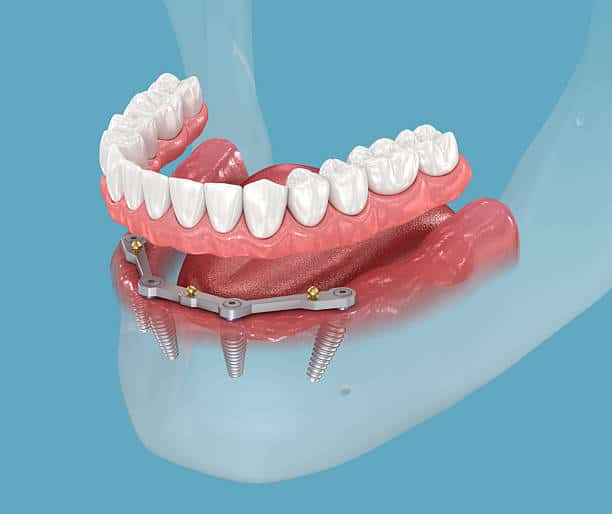
Some people are more prone to tooth cavities or general gum disease despite good oral hygiene, while others rarely experience dental issues. Genetics may play a role. Understanding your risk can help you take preventive action before problems require treatments like dental fillings.
Understanding Tooth Decay: Beyond Brushing and Flossing
Tooth decay, also known as dental caries or dental cavity formation, is a complex process influenced by multiple interacting factors. While oral hygiene practices and dietary habits play significant roles, research increasingly suggests that genetics may contribute to individual susceptibility to tooth decay.
The traditional understanding of cavity formation involves three primary elements: bacteria (particularly Streptococcus mutans), fermentable carbohydrates (sugars), and tooth structure. However, this model doesn’t fully explain why tooth decay risk varies significantly among individuals with similar oral hygiene habits.
The Genetic Component of Cavity Risk
Research published in dental and genetic journals indicates that hereditary factors may influence various aspects of oral health that affect tooth decay risk:
Enamel Structure and Composition
Your genetic makeup influences the development and mineralisation of tooth enamel—the hard, protective outer layer of teeth. Studies suggest genetic variations may affect:
- Enamel thickness and density
- Mineral composition and crystal structure
- Susceptibility to acid erosion
- Developmental defects in enamel formation
Individuals with genetic variations that affect enamel quality may experience increased susceptibility to tooth cavities even with adequate oral hygiene.
Saliva Characteristics
Saliva plays a crucial protective role against tooth decay by:
- Neutralising acids produced by bacteria
- Washing away food particles and bacteria
- Providing minerals for enamel remineralisation
- Containing antimicrobial compounds
Research indicates that genetic factors influence:
- Saliva production volume (flow rate)
- Buffering capacity (ability to neutralise acids)
- Protein composition, including antimicrobial factors
- pH levels
Reduced saliva flow or altered saliva composition, which may have genetic components, can increase the risk of dental cavities.
Immune Response
Your immune system’s response to oral bacteria appears to have genetic influences. Some individuals may mount stronger immune responses against cavity-causing bacteria, while others may be more susceptible to bacterial colonisation and biofilm formation.
Taste Perception
Genetic variations affecting taste receptors may influence dietary preferences, potentially impacting sugar consumption patterns and, in turn, tooth decay risk. While this represents an indirect genetic influence, it demonstrates the complex interplay between genetics and behaviour.
What Genetic Testing Can Tell You
Current genetic testing for cavity risk typically analyses specific gene variants associated with factors influencing dental health. These tests may provide information about:
Enamel-related genes: Variations in genes involved in enamel formation and mineralisation, such as amelogenin (AMELX) and other enamel matrix proteins.
Saliva-related genes: Genetic markers associated with saliva composition and flow rate.
Immune response genes: Variations affecting immune function and inflammatory responses in oral tissues.
Taste receptor genes: Variants influencing sweet taste perception and dietary preferences.
Important Limitations
It’s crucial to understand what genetic testing cannot do:
- Cannot predict with certainty: Genetic testing provides risk assessment, not definitive predictions. Having risk variants doesn’t guarantee the development of cavities, just as lacking them doesn’t ensure immunity.
- Cannot replace clinical assessment: Genetic information is one factor among many influencing tooth decay risk. Clinical examination, medical history, dietary habits, and oral hygiene practices remain essential.
- Limited clinical validation: While research identifies genetic associations with cavity risk, more research is needed to determine how effectively genetic information predicts actual cavity development.
- Cannot determine treatment: Currently, cavity prevention strategies remain similar regardless of genetic risk profile, good oral hygiene, appropriate fluoride use, dietary modifications, and regular dental care.
Who Might Consider Genetic Testing?
Genetic testing for tooth decay risk may be of interest to individuals who:
- Experience frequent cavities despite maintaining good oral hygiene
- Have family history suggesting hereditary susceptibility to dental problems
- Want a comprehensive understanding of their oral health risk factors
- Are interested in personalised health information
- Have children with high cavity rates, and want to understand the contributing factors
However, it’s important to note that genetic testing is not necessary for most people to maintain good oral health or prevent cavities effectively.
Alternative Approaches to Assessing Cavity Risk
Several evidence-based methods exist for evaluating dental cavity susceptibility without genetic testing:
Clinical Risk Assessment
Your dentist can evaluate your tooth decay risk through:
- Cavity history: Past decay patterns often predict future risk
- Clinical examination: Visible signs of early decay, enamel defects, or existing restorations
- Dietary assessment: Evaluation of sugar and acid consumption patterns
- Oral hygiene evaluation: Assessment of plaque levels and cleaning effectiveness
- Saliva testing: Simple chairside tests measuring saliva flow rate, pH, and buffering capacity
- Medical history review: Medications or conditions affecting oral health
Bacterial Testing
Some dental practices offer bacterial testing to identify levels of cavity-causing bacteria in your mouth. These tests may provide actionable information for targeted prevention strategies. At practices like Bexley Dental that focus on comprehensive cavity risk assessment, such testing can help develop personalised prevention plans to reduce your need for restorative treatments.
Dietary Analysis
A detailed review of your eating and drinking habits can identify specific risk factors related to the frequency and type of sugar or acid exposure.
Evidence-Based Cavity Prevention Regardless of Genetic Risk
Whether or not you pursue genetic testing, the following strategies remain effective for reducing tooth cavity development:
Oral Hygiene Practices
- Brush teeth twice daily with fluoride toothpaste
- Clean between teeth daily using floss or interdental brushes
- Use the appropriate brushing technique as demonstrated by your dental professional
- Replace toothbrush every 3-4 months or when bristles become frayed
Dietary Modifications
- Limit the frequency of sugar and acid consumption
- Avoid prolonged exposure to sugary or acidic beverages
- Choose water as your primary beverage
- Wait 30 minutes after consuming acidic foods or drinks before brushing
Fluoride Use
- Use fluoride toothpaste appropriate for your age
- Consider fluoride mouth rinses if recommended by your dentist
- Receive professional fluoride applications during dental visits if indicated
- Discuss fluoride supplementation if you have a low fluoride water supply
Professional Dental Care
- Attend regular dental check-ups and cleanings (frequency based on individual risk)
- Receive a professional assessment of cavity risk factors
- Follow recommendations for preventive treatments such as sealants
- Address early signs of decay promptly before cavities develop
Additional Measures for High-Risk Individuals
If you have elevated tooth decay risk (with or without genetic factors), your dentist may recommend:
- More frequent professional cleanings and examinations
- Prescription-strength fluoride products
- Antibacterial mouth rinses
- Dietary counseling
- Saliva substitute products if dry mouth is present
- Dental sealants on susceptible tooth surfaces
Making an Informed Decision About Genetic Testing
Before pursuing genetic testing for cavity risk, consider:
Cost: Genetic tests may not be covered by dental insurance and can represent out-of-pocket expenses. Consider whether the information justifies the cost.
Actionability: Will the results change your preventive approach? Currently, cavity prevention recommendations remain similar regardless of genetic risk profile.
Psychological impact: Consider how genetic risk information might affect you. Some people find risk information motivating, while others may find it anxiety-producing.
Privacy: Understand how your genetic information will be stored, used, and protected.
Scientific maturity: Recognise that genetic testing for cavity risk remains an emerging area with ongoing research needed to establish clinical utility.
Our Approach at Bexley Dental
At Bexley Dental, we are committed to delivering the highest standard of general dentistry care, with a strong focus on comprehensive, evidence-based assessment of cavity risk using established clinical methods. We evaluate multiple factors, including previous cavities, oral hygiene habits, diet, and saliva characteristics, to develop personalised prevention plans tailored to each patient.
If you’re interested in genetic testing, we can discuss its potential benefits and limitations for your specific situation. With over 30 years of serving Sydney families, we prioritise proven, effective approaches to oral health maintenance.
Take Control of Your Oral Health
Understanding your risk of tooth decay, whether through genetic testing or a comprehensive clinical assessment, empowers you to take appropriate preventive action. The good news is that regardless of your genetic predisposition, effective strategies exist to minimise dental cavity development and maintain healthy teeth throughout your life.
If you’re concerned about your risk of cavities or interested in personalised prevention strategies, we invite you to book a consultation with our experienced dental team. Contact Bexley Dental today at (02) 9567 4151 to schedule a comprehensive assessment and discuss the most appropriate approach for your oral health needs.
Disclaimer
All content on this website is intended for general information and does not replace professional dental consultation.