
Who is a Good Candidate for Dental Implants?
A Sydney Dentist’s Guide
A Permanent Solution for Damaged Teeth
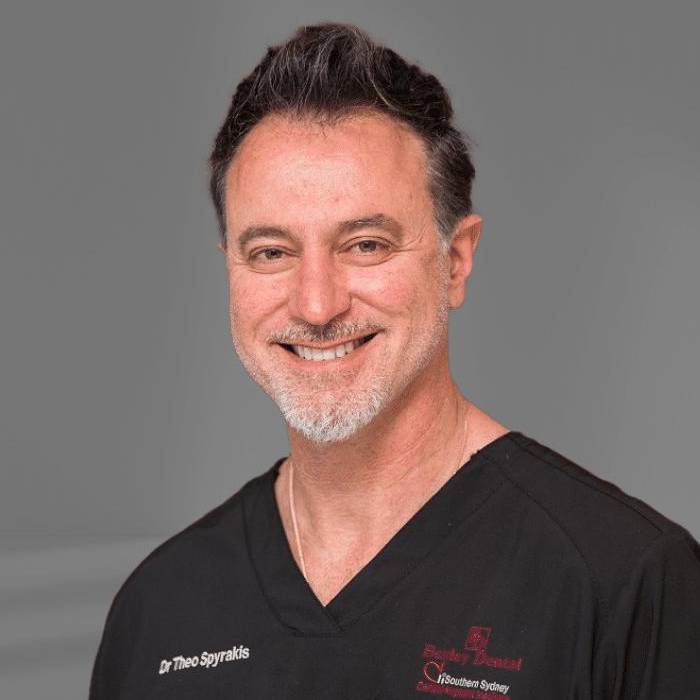
If you’re considering dental implants in Sydney but unsure if they’re right for you, you’re not alone. At Bexley Dental, we assess hundreds of implant candidates every year. Dr Theo Spyrakis, our Principal Implant Dentist with 35+ years of experience, knows that understanding your candidacy upfront eliminates confusion and builds confidence in your decision.
Unlike dentures that you remove daily, dental implants are fixed permanently in your jawbone and function exactly like natural teeth. They sound advanced, but determining whether you’re a good candidate is simpler than you’d think, and the process has clear, straightforward steps.
Based in Bexley, we welcome patients from across Sydney and beyond. Whether you’re in Homebush, Hurstville, Rockdale, or Cronulla, understanding your candidacy is the first step toward reclaiming your smile.
Book your free implant assessment to find out whether dental implants are right for your situation.


What Makes a Good Candidate for Dental Implants?
A good candidate for dental implants is generally someone who has one or more missing teeth, possesses sufficient jawbone density to support the implants, maintains good oral hygiene and overall health, and is a non-smoker (or willing to quit). Additionally, individuals should be free from medical conditions that significantly impede healing.
That said, “good candidate” doesn’t mean you need to check every box. Dr Theo has successfully treated patients who initially thought they weren’t suitable, because modern implant techniques and solutions like All-on-4 have expanded candidacy dramatically. What matters is a thorough assessment by someone experienced enough to know which solution works for YOUR specific situation.
The key factors we evaluate are straightforward:
Evaluating Suitability for Dental Implants
Overall Health Matters
For any surgical procedure, your body’s ability to heal plays a crucial role. Conditions such as diabetes or autoimmune diseases can interfere with recovery and affect how well the implants integrate with your jawbone. The good news? Controlled diabetes doesn’t automatically disqualify you.
At Bexley Dental, we discuss your complete medical history during your consultation. This isn’t about judgment; it’s about planning the right approach for your health profile. If you have existing health issues, we’ll work with your GP to optimise conditions before surgery, giving you the best chance of success.
Gum Health is Your Foundation
Healthy gums create a stable foundation for dental implants. If you have gum disease or periodontal issues, we must address them before implant surgery. This might involve scaling and root planing or other treatments to reduce inflammation and promote healing. It may sound like an extra step, but it’s an investment in your implant’s long-term success.
Healthy gums are essential. Infection can jeopardise not just the integration process, but your overall oral and implant health. Dr Theo will assess your gum condition during your free consultation and outline any preparatory treatment needed.

Bone Density: Anchoring Your Implants Securely
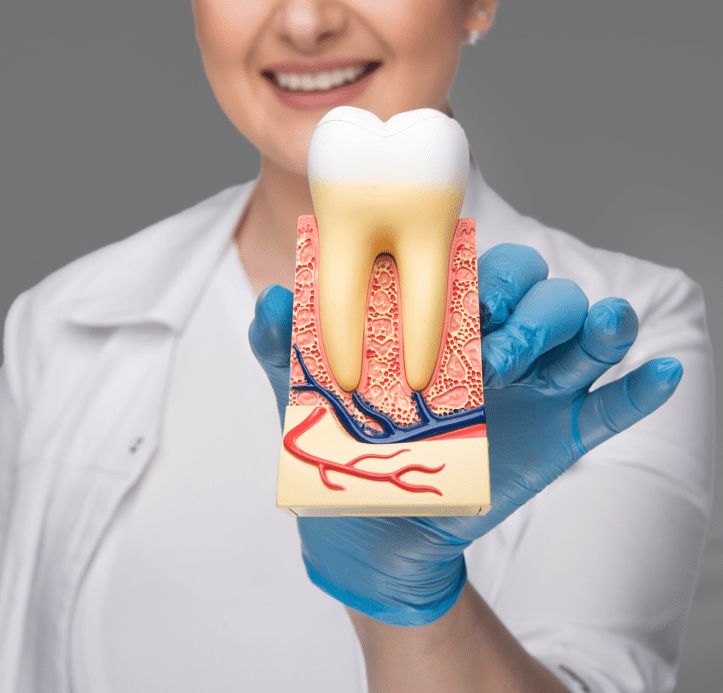
Adequate bone density is vital for securely anchoring dental implants. Think of it this way: you can’t anchor something sturdy in a soft surface. Bone that’s too thin or soft simply can’t provide the support traditional implants need.
Here’s where modern implant dentistry changes the conversation. If your bone density is insufficient for standard implants, you still have options. Procedures like bone grafting can augment your jaw, or you might be a candidate for techniques like All-on-4 implants, which are designed to maximise contact with existing bone, often without grafting at all.
Dr Theo will review your 3D scan during your consultation and explain exactly what your bone structure means for your implant options.
Smoking Status: A Significant Factor
Smoking has been identified as a significant barrier to successful healing and integration. It reduces blood flow and slows down recovery, increasing the risk of complications after surgery. Studies show smokers have a 20% higher failure rate for implants compared to non-smokers.
If you do smoke but still wish to explore dental implants, quitting smoking at least a few weeks prior to surgery can vastly improve outcomes and enhance healing. It’s worth the effort, especially when the reward is permanent, fixed teeth that work like natural teeth.
Medical and Oral Health Criteria: What We Look For
Understanding the medical and oral health criteria helps explain why your dentist asks certain questions. Conditions such as diabetes can significantly influence how your body heals after surgery. But here’s the important part: if your diabetes is well-managed, it may not preclude you from receiving dental implants; it just requires closer monitoring during surgery and recovery.
Your oral health plays an equally vital role. Existing dental issues like untreated cavities or gum disease must be thoroughly addressed before implant surgery. A comprehensive examination by your dentist, typically involving X-rays or 3D scans, reveals the state of your oral health and any necessary pre-treatment.
Regular dental check-ups aren’t merely a suggestion; they’re crucial for maintaining good oral health and ensuring the longevity of your future implants. Studies show that regular periodontal maintenance can reduce implant failure rates by up to 50%. This directly correlates diligent oral care with successful outcomes.
If you’re considering dental implants, the message is simple: manage your medical conditions appropriately, and prioritise addressing any existing oral health issues before surgery.


Specific Medical Conditions That May Impact Your Candidacy
While many medical conditions don’t automatically disqualify you from implants, some do require special consideration or preparation before surgery. The key factor is healing capacity, your body’s ability to integrate the implant with bone and resist infection during recovery. Here are the conditions we evaluate most carefully at Bexley Dental:
Conditions Requiring Management Before Surgery
Diabetes
Uncontrolled diabetes significantly impacts bone healing and increases infection risk. However, if your diabetes is well-managed (HbA1c under 7), implants are often suitable; we just require closer monitoring during surgery and recovery. What this means: Bring your recent diabetes blood work to your consultation. If your levels are well-controlled, you’re likely a candidate. If not, we may recommend stabilising your diabetes first, then proceeding with implants.
Autoimmune Diseases
Conditions like rheumatoid arthritis, lupus, or Sjögren’s syndrome can slow bone healing and increase inflammation. However, if your condition is well-managed with medication and your rheumatologist confirms you’re stable, implants are often possible. What this means: The severity and stability of your autoimmune condition matter more than the diagnosis itself. Discuss your current management with Dr Theo.
Thyroid Disorders
Unmanaged thyroid conditions (hyper or hypothyroidism) can affect metabolism, bone health, and healing. If your thyroid is well-controlled with medication, implants are typically suitable. What this means: Bring your recent thyroid function tests to your consultation.
Liver and Kidney Disease
These conditions affect medication metabolism and healing capacity. Patients with controlled liver or kidney disease can still be candidates, but require modified protocols and closer monitoring. What this means: Discuss with Dr Theo if you have hepatic (liver) or renal (kidney) disease. We’ll work with your specialist to ensure safe implant placement.
Osteoporosis and Bone Health Medications
Osteoporosis itself doesn’t prevent implants; in fact, implants stimulate bone health, which is beneficial. However, if you take bisphosphonates (medications like alendronate used for osteoporosis), this requires specific surgical protocols.
Bisphosphonates are generally safe with implants, but Dr Theo needs to know you’re taking them so he can modify the surgical approach if needed. Discuss your specific medication history during consultation. What this means: Inform Dr Theo of all osteoporosis medications. This doesn’t disqualify you; it just requires careful planning.


Medications Requiring Discussion
Blood Thinners and Anticoagulants
If you take warfarin, apixaban, rivaroxaban, or other blood thinners, inform Dr Theo. These affect surgical bleeding and recovery but don’t prevent implants. Most patients continue their medications during implant surgery; we just monitor bleeding more carefully. What this means: Don’t stop your medications without medical advice. Discuss with both your cardiologist and Dr Theo.
Immunosuppressive Medications
If you’ve had an organ transplant or take immunosuppressive drugs for HIV management, autoimmune disease, or other conditions, implants are still possible. Your immune system may recover more slowly, but success rates remain high with appropriate planning. What this means: Transplant recipients and many HIV+ patients have successful implants. The key is working with your specialist to optimise your health.
Steroids (Corticosteroids)
Long-term steroid use can affect bone density and healing. If you take steroids for asthma, COPD, rheumatoid arthritis, or other conditions, discuss dosage and duration with Dr Theo. What this means: Not a disqualifier, but requires assessment of your specific situation.
Conditions Requiring Extra Monitoring
High Blood Pressure (Hypertension)
Well-managed high blood pressure is typically not a barrier to implants. If medication controls your blood pressure, you’re likely a suitable candidate. What this means: Bring your recent blood pressure readings to consultation.
Sleep Apnea
Sleep apnea doesn’t prevent implants, but it’s worth mentioning because it can slightly affect healing and requires careful anesthesia management during surgery. If you have sleep apnea, we adjust our sedation protocols accordingly. What this means: Let us know if you’ve been diagnosed with sleep apnea or use a CPAP machine.
Bruxism (Teeth Grinding)
Grinding your teeth doesn’t disqualify you from implants, but we recommend a post-surgery night guard to protect your new teeth from excessive wear and stress. What this means: If you grind your teeth, we’ll discuss a protective night guard as part of your aftercare plan.
Anxiety or Dental Phobia
While not a medical condition, severe dental anxiety affects many patients. This is why we offer IV sedation, so you can be comfortable during surgery regardless of your anxiety level. What this means: Let Dr Theo know about your anxiety. We have solutions to keep you relaxed throughout the procedure.


Can You Get Dental Implants?
Having a medical condition doesn’t automatically disqualify you. What actually matters:
Is your condition well-managed? Controlled diabetes is very different from uncontrolled diabetes. Managed thyroid disease is different from undiagnosed thyroid problems.
Can your body heal effectively? Some conditions slow healing, but that doesn’t mean it can’t happen; it just requires more time and monitoring.
Are you committed to aftercare? Implants require ongoing maintenance: regular brushing, flossing, professional cleanings every six months, and attending check-ups.
Have you discussed this with your other specialists? If you have a complex medical history, we’ll coordinate with your GP, cardiologist, endocrinologist, or other specialists to ensure safe treatment.
Assessing Bone Density and Quality
The Role of Diagnostic Imaging
The backbone of successful dental implants is robust jawbone density. Without it, the implant’s stability and longevity can be compromised. This is where advanced diagnostic imaging becomes essential.
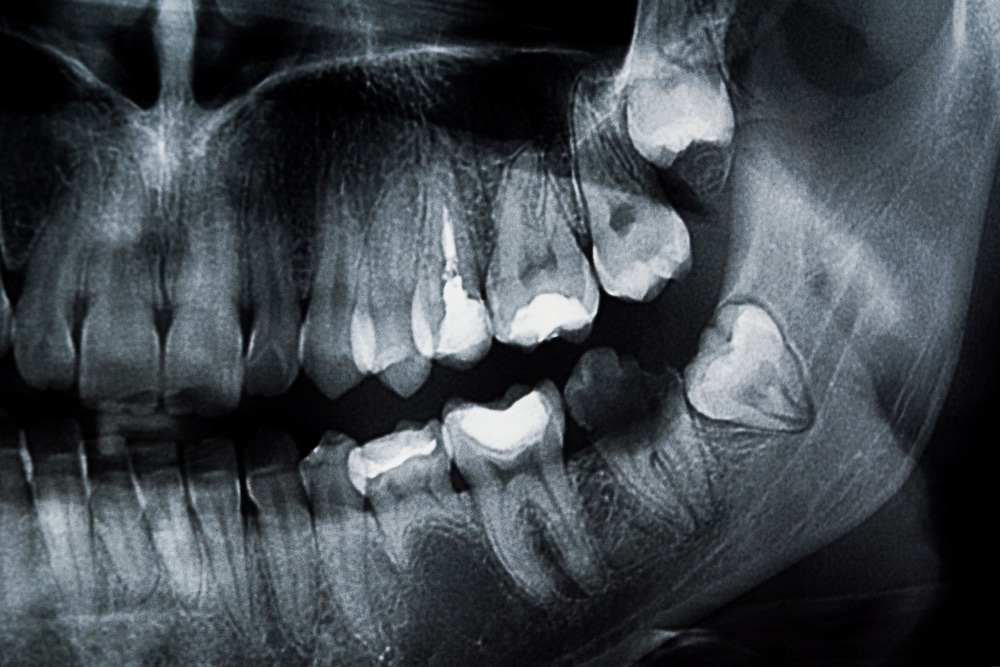
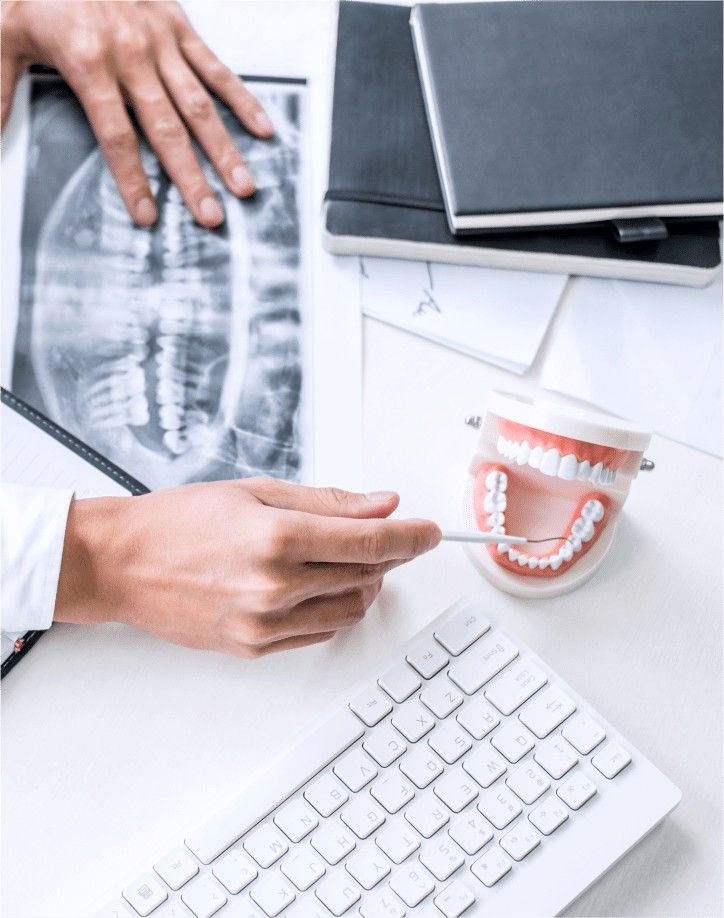
To gauge whether your jawbone is suitable for implants, professionals employ state-of-the-art technologies, including CT scans and digital X-rays. At Bexley Dental, we use 3D CBCT imaging to create detailed three-dimensional representations of your jawbone, allowing for accurate assessment of both density and quality.
This step is crucial because it shows your bone’s current condition and supports strategic planning for implant placement. By having this visual framework, Dr Theo can anticipate potential complications and adjust procedures accordingly. It’s the difference between setting sail with a well-charted map versus navigating uncharted waters.
What If Your Bone Density is Inadequate?
If an examination determines your bone density is inadequate, don’t worry; solutions are available. One common recommendation is bone augmentation, which can significantly boost your chances of successful implant integration. This procedure involves adding bone tissue to your existing jawbone using grafts from another part of your body or synthetic materials.
Once the grafting material integrates with your jawbone over several months, it creates an environment where implants can thrive. Some patients need bone grafting. Others, particularly those suitable for All-on-4 implants, can avoid it entirely.
For Patients with Multiple Missing Teeth: All-on-4 May Be Your Solution
If you’re missing multiple teeth or struggling with loose dentures, you may be an ideal candidate for All-on-4 implants. This innovative approach uses just four strategically placed implants to support a complete arch of 12-14 fixed teeth. Many patients who thought they weren’t candidates because of bone loss find All-on-4 is the perfect solution, because it’s designed to work with existing bone volume without extensive grafting.
At Bexley Dental, Dr Theo trained directly under Professor Paolo Malo, the clinician who developed the All-on-4 technique. This specialised training means he can assess whether All-on-4 suits you during your free consultation. Learn more about All-on-4 implants at Bexley Dental or discuss it during your assessment.
Other Key Factors in Candidacy Assessment
Age is Not a Barrier
Age can influence implant candidacy, but not as many assume. Older adults sometimes face complexity due to bone density loss and potential underlying health issues. However, advancements in dental technology mean age alone is not a disqualifying factor.
Studies show that patients over 65 can achieve success rates similar to younger individuals, around 90%, when they are healthy and follow care protocols. What matters isn’t your age; it’s your overall health and bone quality.
Previous Dental Work Matters
Yes, previous dental work can significantly impact your implant candidacy. Individuals with extensive gum disease or inadequate bone density, often resulting from prior extractions or periodontal treatments, may not initially be eligible for implants. About 30% of adults have some level of gum disease, which can initially affect implant success rates.
However, here’s the encouraging part: those who address these issues before treatment often achieve successful outcomes, with success rates over 95% in healthy candidates. Your previous dental history isn’t a roadblock; it’s information that helps us plan your path forward.


Lifestyle Factors: More Important Than You’d Think
Lifestyle significantly impacts implant suitability and longevity. Habits like smoking and excessive alcohol consumption can hinder healing and increase failure risk. But the reverse is also true: individuals who maintain good oral hygiene and a balanced diet are more likely to enjoy long-term success, as these factors support overall oral health and post-surgery healing.
Adopting healthier habits can boost both your candidacy and the longevity of your implants. It’s not just about the surgery; it’s about the life you want to live afterwards.
The Consultation Process
What to Expect During Your Assessment
The first step toward understanding your candidacy is a thorough consultation. At Bexley Dental, Dr Theo conducts a comprehensive assessment that includes:
A personalised evaluation of your dental needs, priorities, and concerns. This isn’t a box-ticking exercise; it’s a conversation designed to understand YOUR goals.
3D imaging (CBCT scanning) to assess your bone volume, density, and suitability for implants. This imaging is painless and typically takes just a few minutes.
A clear explanation of all suitable options, which might include single implants, All-on-4, All-on-6, or alternatives like dentures or bridges. We discuss pros and cons honestly, not to sell you on one option, but to help you choose what’s right for YOUR life.
Insight into materials and durability, so you understand what different crown options mean for your smile, function, and long-term outcomes.
Details on timelines, costs, and payment options, with complete transparency. We explain exactly what your treatment will cost, what’s included, and how to make it affordable.
Answers to all your questions, with no obligation to proceed. This consultation is for you to gather information and feel confident in your decision.

Why The Implant Consultation Matters
As the consultation unfolds, communicate any concerns or questions. This dialogue strengthens mutual understanding and builds trust between you and your dental team. Understanding the process, from preoperative strategies to recovery expectations, empowers you to make informed decisions.
The reassurance these discussions provide can’t be overstated. Personalised consultations help dispel doubts about the procedure and clarify preparatory measures you need to take. Stepping into an unknown realm becomes an informed adventure, with clear signposts guiding you every step of the way.
Alternative Solutions for Non-Candidates
While dental implants may be the gold standard for tooth replacement, several commendable alternatives exist for individuals who, in rare cases, don’t qualify for this procedure.
Traditional Dentures and Bridges
Dentures and bridges have stood the test of time as reliable solutions for tooth loss. Dentures, often made from acrylic or a combination of plastic and metal, are removable appliances designed to replace missing teeth entirely. They provide function by enabling chewing and speech while also restoring facial aesthetics. However, as jawbone density changes over time, a common issue with long-term denture use, dentures may require adjustments or replacement. Bridges involve anchoring an artificial tooth using adjacent healthy teeth as support, which requires modifying those existing teeth.
Both options are functional but lack the permanence and bone-stimulating benefits provided by implants.


Mini Implants: A Practical Middle Ground
For patients facing limitations such as insufficient bone density or those preferring a less invasive approach, mini implants present a practical alternative. These implants are smaller in diameter than traditional implants and can be placed with minimal surgical intervention.
Mini implants require less bone to anchor, giving many individuals previously advised against implants a chance to regain function. They help maintain jawbone health and can anchor partial dentures, providing added stability.
Comparing Your Options
For patients with multiple missing teeth or loose dentures, All-on-4 implants often provide the most functional and permanent solution. For single-tooth replacement, single tooth implants are typically ideal. For those seeking extra stability with a full-arch solution, All-on-6 implants distribute forces across six implants.
Each person’s situation is unique. Discussing your personal needs, lifestyle preferences, and desired outcomes with Dr Theo will help identify the best path forward.
Ready to Find Out If You’re a Candidate?
Understanding your candidacy is the first step toward reclaiming your smile and function. If you’re considering dental implants in Sydney, the next step is simple: a free, no-obligation consultation with Dr Theo.
We’ll review your individual situation, take 3D imaging if needed, and discuss which solution—All-on-4, All-on-6, single implants, or alternatives—works best for you.
Book Your Free Assessment or call (02) 9567 4151 today.
Dr Theo has completed over 8,000 implant cases and places over 550 implants annually. When you’re assessed by Bexley Dental, you’re working with an expert, not a generalist.
Frequently Asked Questions
What factors determine whether I have enough bone density for dental implants?
Factors include the quantity and quality of jawbone, the location of the implant site, and your overall oral health. A minimum bone height of approximately 10mm at the implant site is often recommended. If you don’t have adequate bone, bone grafting or techniques like All-on-4 can help. A 3D scan during your consultation shows exactly what your bone supports.
How does my lifestyle impact candidacy?
Lifestyle significantly affects implant success. Smoking, excessive alcohol, and poor oral hygiene can hinder healing and increase failure risk. Conversely, good oral hygiene, a balanced diet, and a healthy lifestyle boost both your candidacy and the longevity of your implants. If you smoke, quitting before surgery improves success rates substantially.
Does my age disqualify me?
Age alone doesn’t disqualify you. Patients over 65 can achieve success rates similar to those of younger individuals, around 90%, when in good overall health. What matters is your health status and bone quality, not your age.
Can previous dental work affect my candidacy?
Yes, previous extensive gum disease or bone loss can initially affect candidacy. However, addressing these issues before treatment often leads to successful outcomes with 95%+ success rates. Your dental history informs our treatment plan; it’s not a dealbreaker.
What medical conditions might disqualify me?
Conditions that compromise bone healing or the immune system can affect eligibility. These include uncontrolled diabetes, autoimmune diseases, cancer treatments affecting the jawbone, and excessive smoking. A thorough medical evaluation is essential before proceeding.
Can I get implants if I have diabetes?
Yes, most likely. If your diabetes is well-controlled (HbA1c under 7), you’re typically a suitable candidate. Uncontrolled diabetes increases healing time and infection risk, so we may recommend stabilising your diabetes first. Bring your recent blood work to your consultation.
What if I take blood thinners or anticoagulants?
Blood thinners don’t prevent implants. You’ll typically continue your medications during surgery; we just monitor bleeding more carefully. Discuss with both your cardiologist and Dr Theo.
Can I get implants if I have osteoporosis?
Yes. Osteoporosis doesn’t prevent implants; in fact, implants stimulate bone health. If you take bisphosphonates (bone-building medications), inform Dr Theo so he can use appropriate surgical protocols. This is manageable and doesn’t disqualify you.
Are implants possible after an organ transplant?
Yes. Many transplant recipients have successful implants. If you take immunosuppressive medications, your healing may be slightly slower, but success rates remain high with proper planning. Discuss with both your transplant specialist and Dr Theo.
Can I get implants if I have an autoimmune disease?
Yes, if your condition is well-managed. Autoimmune diseases like rheumatoid arthritis or lupus can slow healing, but stable, treated conditions don’t prevent implants. Bring your rheumatologist’s assessment to your consultation.
What if I grind my teeth?
Grinding doesn’t cause implants, but we recommend a post-surgery night guard to protect your new teeth from wear and stress. This simple solution addresses a common concern.
What if I'm very anxious about dental implant surgery?
Don’t worry, IV sedation is available. You’ll be relaxed and comfortable throughout the procedure, and many anxious patients report feeling relieved during surgery because they were so calm. Let Dr Theo know about your anxiety so we can plan accordingly.
What if I'm not a candidate for dental implants?
If dental implants aren’t suitable for your specific situation, alternatives include dentures, bridges, mini implants, or All-on-4 implants (which work even with significant bone loss). Dr Theo will discuss all options during your consultation.
Ready to schedule your Implant Assessment?
Simply pick up the phone and call us at (02) 9567 4151 today