
All-on-6 Dental Implants in Sydney
Permanent Replacement for Missing Teeth
If you’re missing multiple teeth or struggling with loose dentures that slip and click, you know the frustration. You can spend years adjusting to dentures, manage multiple stages of dental implant treatment over many months, or find a clinic that can replace your entire upper or lower arch in one procedure.
At Bexley Dental, Dr Theo Spyrakis has spent the last 20 years helping patients solve exactly this problem. All-on-6 dental implants offer a different path, fixed teeth that stay in place, never come out, and function like natural teeth.
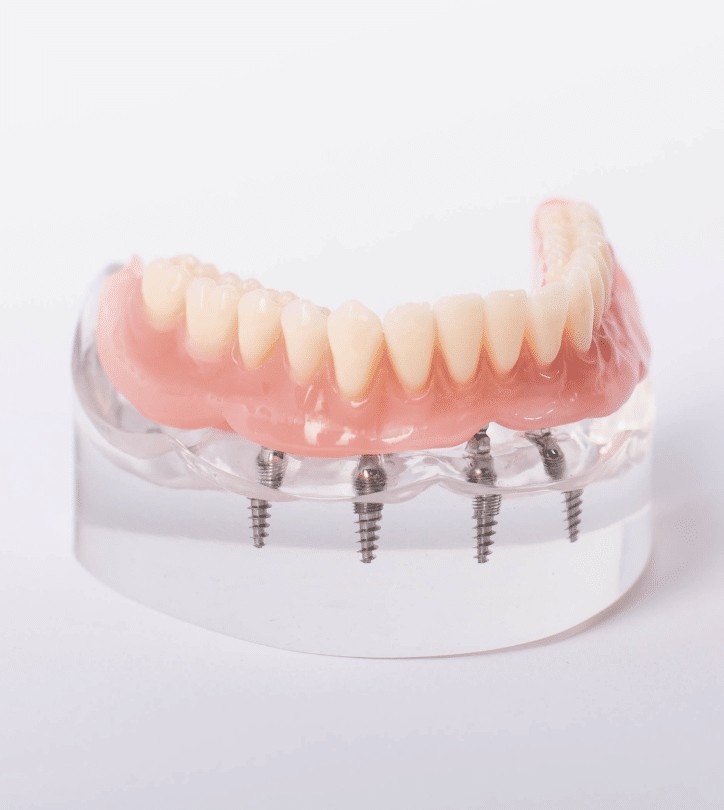
All-on-6 uses six titanium implants to support a complete bridge of replacement teeth, twelve to fourteen teeth that are anchored directly to your jawbone. Unlike dentures, a bridge is permanently fixed; you don’t remove it at night or use adhesive. All six implants work together to distribute chewing forces evenly across your jaw, creating stability that often exceeds what individual implants can offer.
Dr Theo places over 550 implants every year at Bexley Dental and has completed over 8,000 cases across his career, training directly under Professor Paolo Malo, the clinician who developed the All-on-4 technique. For most of his practice, he works exclusively with implants. This means his expertise directly benefits you: he understands bone volume, jaw anatomy, and optimal implant positioning in ways that general dentists don’t develop expertise in.
Book your free implant assessment to find out whether All-on-6 is right for your situation.

What You’ll Actually Have
All-on-6 gives you a complete set of fixed teeth supported by six titanium implants that anchor into your jawbone, where they integrate over three to six months. Once integrated, they’re as stable as real tooth roots.
The visible part, the teeth themselves, are custom-designed to match your smile line, bite, and facial proportions. They’re milled from high-quality materials (your choice: acrylic, hybrid, or premium zirconia). The teeth stay in your mouth permanently.
Unlike dentures, which rest on your gums and move as your jaw muscles shift, All-on-6 teeth are locked in place. You eat steak, nuts, and hard foods without thinking about it. You laugh in photos without worrying the teeth might slip. You speak without the lisping or clicking that loose dentures create.
All-on-6 vs All-on-4: Which Do You Actually Need?
Both all-on-4 and all-on-6 are effective full-arch solutions. The difference is practical, not theoretical, and depends on your specific jaw anatomy.
All-on-4 uses four implants positioned at angles to maximise contact with existing bone. It works well for patients with adequate bone volume distributed evenly across the jaw.
All-on-6 adds two more implants, which distribute chewing forces across six points instead of four. This extra support matters when your bone volume is limited or uneven, or when your jaw muscles require more support to keep the teeth stable. Six implants also mean the teeth can be positioned at slightly different angles, which sometimes allows for better aesthetics and bite alignment.
Neither is automatically “better.” All-on-4 has excellent success rates (95%+ over 10 years) and is the standard approach in many practices.
All-on-6 provides exactly the same final outcome as an All-on-4, and Dr Theo will decide what is possible and what is best; however, it is largely influenced by the amount of bone available for the extra 2 implants and whether the strength of your jaw muscles requires extra support for the teeth from the 2 more implants. Dr Theo will explain this clearly during your consultation and discuss which approach suits your bone volume and jaw structure.
All-on-6 vs Dentures: The Real Differences
If you’re currently wearing dentures, you already know the frustrations. Dentures rest on your gums, and as your jawbone recedes, which happens naturally after tooth loss, the fit gets progressively worse. You apply more adhesive, adjust your diet, and eventually, the dentures become less about eating and more about managing them.
All-on-6 teeth don’t move. They’re anchored to bone, not balanced on gums. The bone doesn’t recede the way it does under dentures because the titanium implants stimulate your jaw the way real tooth roots do. Over decades, this means your face maintains its structure; you don’t develop the sunken appearance that comes with long-term denture use.
Dentures cost less upfront and don’t require surgery. But over twenty years, dentures typically cost more because they need relining, repairs, and eventual replacement. All-on-6 costs more initially but requires far less maintenance and replacement over a lifetime.
For most patients who can undergo surgery and have adequate bone, all-on-6 is more cost-effective and significantly more functional in the long term.
What Happens on Surgery Day
Your surgery day is relatively straightforward, though it’s longer than a single-tooth implant because you’re placing six implants and possibly extracting the remaining teeth.
You’ll arrive in the morning and receive local anaesthetic to numb the area. If you’re feeling anxious, IV sedation keeps you relaxed throughout the procedure; you’re awake and responsive, but will feel a sense of calm. Dr Theo begins by extracting any remaining teeth if necessary. He then carefully prepares the bone, creating precise spaces for each of the six implants. Using the 3D planning he completed before surgery, he positions each implant at planned angles and depths. The entire procedure typically takes three to four hours per arch (upper or lower).
You go home the same day. You’ll have some swelling and mild soreness, similar to a tooth extraction, but nothing severe. Pain is managed with over-the-counter or prescribed pain relief. You’ll rest and use ice packs for the first few days.
If your implants achieve adequate initial stability (which Dr Theo confirms during surgery), temporary teeth can be fitted within twenty-four hours. This means you leave the clinic with temporary teeth in place, giving you something to eat with and look like yourself while the implants integrate. Some cases may require a slightly longer wait before temporary teeth can be fitted safely, but Dr Theo will explain your specific timeline before surgery.


The Recovery Timeline (Realistic)
First week: Swelling peaks around day three, then gradually reduces. You’ll stick to soft foods, scrambled eggs, soup, mashed potatoes, yogurt. Most discomfort subsides within three to seven days. You will need someone to drive you home if you had IV sedation.
Weeks two through four: Swelling is mostly gone. You can return to desk work and normal daily activities. Light exercise is fine; avoid heavy lifting or strenuous activity for at least two weeks. You can gradually introduce harder foods, moving from soft to normal diet as comfort allows.
Three to six months: the integration phase. Your bone is bonding with the titanium implants, and you won’t feel this happening. You will attend check-up appointments during which Dr Theo monitors integration and adjusts your temporary teeth as needed. Once integration is complete (as confirmed by imaging), your final bridge is custom-fitted and cemented in place.
After six months: Your treatment is complete. You maintain your implants the same way you’d care for natural teeth: brush twice daily, floss around the teeth, visit every six months for professional cleaning and check-ups.
Recovery times vary. Age, overall health, smoking, and how carefully you follow aftercare instructions all affect how quickly you heal. Most patients feel back to normal within two to three weeks.
Daily Care: Simple and Straightforward
Once your implants are fully healed and your final bridge is in place, maintenance is no more complicated than caring for natural teeth.
Brush twice daily with a soft toothbrush, paying attention to the gumline. Use an interdental brush or water flosser to clean around and under the bridge, as the space between the implant-supported bridge and your gum needs to stay clean. If you prefer traditional floss, you can use it with floss threaders, though most patients find an interdental brush easier.
Visit Bexley Dental every six months for professional cleaning and implant check-ups. These appointments ensure any small issues are caught early, before they become problems. During your regular visits, we can remove the bridge for thorough professional cleaning and then recement it in place.
Avoid chewing on very hard objects, ice, or hard candy, as they can damage the crown. If you grind your teeth at night, ask Dr Theo about a night guard, which protects the bridge from excessive wear.
Watch for warning signs that warrant immediate review: gum swelling or redness around the implants, looseness or unusual movement of the bridge, changes in your bite, or persistent discomfort. Most minor issues are easily managed if caught early, but delayed care can lead to serious complications.

How Long Will Your Implants Last?
The titanium implants themselves can last a lifetime or longer. Titanium is remarkably durable and doesn’t decay. The replacement teeth, your bridge, typically last 10 to 20 years, depending on the material you choose and how well you care for them. Premium materials like milled zirconia tend to last longer and show less wear than acrylic.
Several factors influence longevity. Your daily oral hygiene matters; brush and floss regularly. Your gum health matters, so you need to attend your six-month check-ups. Smoking significantly reduces implant success rates, so quitting before surgery improves your outcome. General health conditions, such as diabetes, affect healing. Whether you grind your teeth affects how quickly the crown wears. Your bite force and chewing habits play a role, as some people’s natural chewing is harder on materials.
But for most patients who take reasonable care, all-on-6 implants function well for twenty to thirty years or longer. The success rate is above 95% over 10 years, which is why implants are considered the gold standard for full-arch replacement.
Cost and How to Afford It
All-on-6 treatment requires a personalised quote because the final cost depends on your specific clinical needs, such as bone volume, extraction requirements, the materials you choose for your final bridge, and any preliminary treatment needed (such as gum disease management or bone grafting).
At Bexley Dental, the surgical component includes placement of six Nobel Biocare titanium implants (the most trusted brand globally), 3D imaging and digital treatment planning, tooth extractions if necessary, and a temporary bridge fitted within twenty-four hours of surgery.
Your final bridge cost depends on the material:
- Reinforced acrylic bridge: $3,999–$5,000 per arch
- Premium hybrid bridge with titanium frame: $12,000–$15,000 per arch
- Milled zirconia with custom titanium substructure: $17,000–$20,000+ per arch
The cost of a complete all-on-6 case depends on several factors, including whether you’re treating one arch or both, the materials chosen, and any preliminary treatment needed.
Payment options: Bexley Dental partners with Total Lifestyle Credit to offer flexible payment plans starting from $2,001. You can spread the cost over twelve to twenty-four months with transparent terms and competitive rates. Some plans offer interest-free periods for the first twelve months.
Superannuation access: If your dental condition is causing pain, you may be eligible to access your superannuation early on compassionate grounds and use it to fund treatment. Ask Dr Theo about this at your consultation.

Who Is All-on-6 Right For?
All-on-6 is typically suitable if you have multiple missing or failing teeth, adequate gum health (or gums that can be treated), reasonable overall health, and you’re willing to undergo oral surgery.
You may need preliminary treatment, usually just gum disease management or tooth extractions, before implant surgery can proceed. Some patients require bone grafting when bone volume is significantly limited, thereby increasing costs and extending the timeline. A 3D scan during your consultation determines whether grafting is necessary, but most patients don’t need it.
If you smoke, all-on-6 is still possible, but success rates drop significantly. Dr Theo will discuss the risks honestly and may recommend quitting or reducing before surgery.
If you have uncontrolled diabetes, certain medications, or active gum disease, treatment might need to wait until those conditions are stable. This is discussed during your consultation.
All-on-6 is not suitable if you’re unwilling to undergo surgery, have severely compromised health that makes surgery inadvisable, or have inadequate bone with no option for grafting. But these situations are rare, and Dr Theo will discuss alternatives if they apply to you.
Why Choose Bexley Dental for All-on-6
Dr Theo Spyrakis has dedicated his entire career to implant dentistry, more than 20 years specialising almost exclusively in placing implants. He’s completed over 8,000 cases and places over 550 implants annually, which means he sees a wide range of bone volumes, jaw anatomies, and patient circumstances. This volume of experience teaches pattern recognition that less experienced dentists don’t develop.
He trained directly under Professor Paolo Malo at the Malo Clinic in Portugal, the clinician who pioneered the all-on-4 technique. This training informs his approach to all-on-6 cases: precise angling, optimal bone contact, and positioning for both stability and aesthetics. He doesn’t treat all-on-6 as a commodity procedure; he customises each case to your individual anatomy.
At Bexley Dental, you get market-leading Nobel Biocare implants, advanced 3D imaging and digital treatment planning, and premium materials for your final bridge. Dr Theo personally oversees your case from consultation through to final placement. Your treatment isn’t handed off to junior clinicians or delegated; he manages your journey directly.

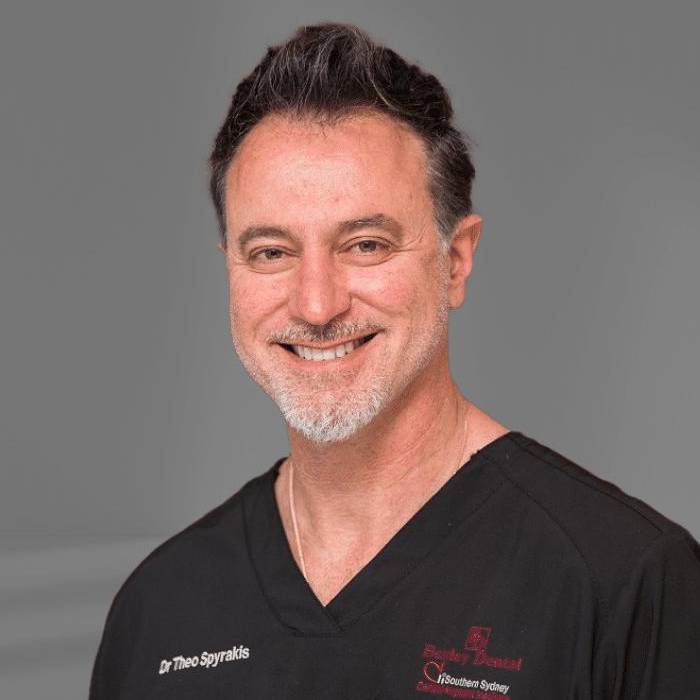
Dr Theo Spyrakis and All-on-6
Dr Theo has dedicated thirty-five years to implant dentistry, trained with Professor Paolo Malo, who developed the All-on-4 technique, and places over 550 implants annually. For him, implant dentistry isn’t a side service; it’s his specialisation.
All-on-4 is his standard full-arch solution for most patients. But he doesn’t apply a one-size-fits-all approach. When your bone volume and jaw anatomy favour All-on-6, he recommends it. His goal is matching the right treatment to your individual needs.
If multiple missing teeth or loose dentures have affected your confidence and quality of life, all-on-6 offers a permanent solution. Dr Theo’s free consultation includes a thorough examination, 3D CBCT imaging, and an honest assessment of whether all-on-6 is suitable for you. You’ll understand exactly what’s involved, what it costs, and the timeline. There’s no obligation to proceed.
Book your free consultation or call (02) 9567 4151 today.
Frequently Asked Questions
Can I have temporary teeth on the same day as surgery?
In most cases, yes. If your implants achieve adequate initial stability during surgery, a temporary bridge is fitted within twenty-four hours. This means you leave the clinic with teeth you can use and see. Some cases require a slightly longer wait, Dr Theo will confirm your timeline before surgery.
How long does the whole process take?
From your initial consultation to wearing your final bridge: typically four to six months. This accounts for surgery, bone healing (osseointegration), and the design and fitting of your final teeth.
Will I need bone grafting?
Not always. The strategic placement of six implants maximises contact with existing bone, reducing the need for grafting in many cases. A 3D scan during your consultation will show whether grafting is necessary for your situation. If it is, expect an additional four to six months.
Is the surgery painful?
The surgery itself is not painful because local anaesthetic and IV sedation keep you comfortable. After the anaesthetic wears off, you’ll feel soreness for a few days, similar to that after a tooth extraction, which can be managed with pain relief and rest.
How soon can I return to normal activities?
Most people can return to desk work within a few days. Strenuous exercise and heavy lifting should be avoided for at least two weeks. You can gradually increase activity as healing progresses.
What happens if an implant fails?
Implant failure is uncommon (success rates are typically 95%+ over ten years), but if it occurs, the failed implant can be removed and replaced. This adds time and cost but doesn’t compromise the entire treatment.
Can I have all-on-6 if I smoke?
Smoking significantly affects healing and implant success rates. If you smoke, we’ll discuss the risks and may recommend quitting or reducing before surgery to improve your outcomes.
Is all-on-6 covered by insurance?
Most standard Australian health insurance doesn’t cover dental implants. Check your specific policy, but plan to self-fund treatment. Payment plans make this manageable.
How often do I need check-ups?
Every six months for professional cleaning and implant monitoring. Regular appointments are essential for catching problems early and maintaining your implants in the long term.
Ready to schedule your Implant Assessment?
Simply pick up the phone and call us at (02) 9567 4151 today