
Missing multiple teeth or dealing with failing dentures can significantly affect your quality of life. If you’re exploring permanent tooth replacement solutions, you may have encountered the All on 4 dental implants technique. One common question patients ask is about the expected longevity of this treatment.
What Are All on 4 Dental Implants?
The All on 4 technique uses four strategically positioned titanium implants to support a complete set of prosthetic teeth. Developed in the 1990s, this approach involves placing the two rear implants at angles to maximise contact with available bone and avoid anatomical structures.
The surgical placement of implants and fitting of temporary prosthetic teeth typically occurs during an initial appointment, though the complete treatment process involves multiple appointments over several months for healing and final prosthetic fabrication.
Also Read: Understanding the Benefits of All-on-4
What Does Research Indicate About Longevity?
Clinical studies suggest that All on 4 dental implants may provide long-term tooth replacement for many patients when properly maintained. However, outcomes vary significantly between individuals, and longevity depends on multiple patient-specific factors.
Research indicates the two components have different expected performance:
Titanium Implant Posts: Studies suggest these fixtures may remain stable for extended periods when osseointegration (bone integration) is successful and proper maintenance is followed. However, implant complications or failure can occur at any time.
Prosthetic Teeth: The visible prosthetic component typically experiences wear over time and may require replacement after several years of use, though timing varies considerably between patients. This doesn’t indicate system failure, the underlying implants often remain stable while new prosthetic teeth are attached.
Note: Individual results cannot be guaranteed, as numerous factors influence outcomes.
Key Factors Affecting Treatment Outcomes
Several factors can influence how well All on 4 dental implants perform for individual patients:
Patient Health and Medical Conditions
Certain medical conditions may affect implant outcomes. Research indicates that poorly controlled diabetes may increase complication risk, while well-controlled diabetes appears to have less impact. Conditions affecting bone metabolism, autoimmune disorders, and certain medications (particularly bisphosphonates) may also influence results.
Your dentist will review your medical history comprehensively and may consult with your physician to assess your individual risk profile.
Bone Quality and Anatomy
Jawbone characteristics significantly influence treatment planning. Three-dimensional imaging helps determine whether adequate bone exists in appropriate positions. Not all patients have sufficient bone for All on 4 implants without additional procedures. Some may require bone grafting, sinus lift surgery, or alternative treatment approaches.
Oral Hygiene and Maintenance
Research clearly demonstrates that peri-implant diseases (inflammation and infection around implants) are a primary cause of complications. Peri-implantitis, progressive bone loss around implants, is strongly associated with inadequate oral hygiene and a history of periodontal disease.
Effective home care includes brushing twice daily, interdental cleaning using methods recommended by your dental team, and following specific instructions for cleaning around implant-supported prostheses.
Professional monitoring typically involves more frequent reviews during the first year, followed by ongoing appointments at intervals determined by individual risk factors (typically every 3-6 months). These appointments include clinical examination, professional cleaning, radiographic imaging at appropriate intervals, and occlusal assessment.
Lifestyle Factors
Extensive research demonstrates that smoking negatively affects implant outcomes. Studies show smoking significantly increases implant failure rates by impairing blood flow and affecting immune response and bone metabolism. Many clinicians recommend smoking cessation before implant surgery.
Heavy alcohol consumption may affect bone metabolism, healing, and immune function. Adequate nutrition supports healing and long-term bone health, with particular importance given to protein, calcium, vitamin D, and vitamin C.
Bite Forces and Habits
Heavy bite force or bruxism (teeth grinding) may increase prosthetic wear and stress on implants. Patients who grind teeth typically require protective night guards. Avoiding very hard foods and using teeth as tools helps protect the prosthetic components.
You might like: Effective Treatments for Full Teeth Replacement
Caring for Your All on 4 Dental Implants
To optimise outcomes with dental implants, patients are typically advised to:
- Attend all scheduled follow-up appointments, particularly during the first year
- Avoid chewing on extremely hard foods or objects that could damage the prosthetic teeth
- Discuss protective night guards with your dentist if you grind your teeth (bruxism)
- Maintain a nutritious diet that supports overall oral and bone health
- Follow your dentist’s specific post-treatment care instructions
Understanding Treatment Risks
All surgical procedures carry risks. Potential complications include:
Surgical risks: Infection, bleeding, nerve damage causing numbness or pain, sinus perforation (upper jaw), or adjacent tooth damage.
Integration complications: Implants may fail to achieve osseointegration, with reported failure rates typically ranging from 5-10% or higher depending on multiple factors.
Long-term issues: Peri-implant mucositis, peri-implantitis, implant fracture, screw loosening, prosthetic complications (chipping, fracturing, wear), or aesthetic changes from gum recession.
Contact your dental provider promptly if you experience severe pain, significant swelling, fever, persistent bleeding, implant mobility, or other concerning symptoms.
Comparing Treatment Options
Alternative approaches include traditional removable dentures (most economical, non-surgical), implant-supported overdentures (removable dentures secured by 2-4 implants), or traditional fixed implant prosthetics using 6-8 or more implants per arch.
Your dentist can help you understand which options may be suitable based on your anatomy, medical history, budget, and preferences.
Our Approach at Bexley Dental
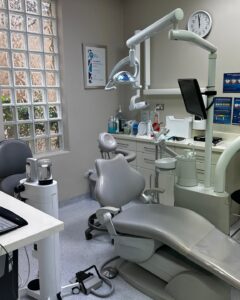
Bexley Dental utilises current diagnostic technology, including three-dimensional CBCT imaging and digital treatment planning software, to support comprehensive assessment and treatment planning for implant cases.
With over 30 years serving Sydney families, our practice maintains ongoing professional development in implant dentistry and restorative techniques. We provide detailed consultations to help patients understand their options, treatment processes, expected outcomes, and potential risks specific to their individual circumstances.
We offer flexible payment arrangements and comprehensive aftercare programs to support patients throughout their treatment journey.
Making an Informed Treatment Decision
Understanding what research shows about All on 4 dental implants, along with factors influencing individual outcomes, helps you make informed decisions about tooth replacement options.
We encourage patients to ask questions during consultations, understand both the potential benefits and risks, and consider how this option compares with alternatives in their specific situation.
Ready to Take the Next Step?
If you’re considering All on 4 dental implants or want to explore tooth replacement options, we invite you to book your consultation with our experienced dental team. Contact us today at (02) 9567 4151 to schedule your comprehensive assessment and take the first step toward restoring your smile.
Disclaimer
All content on this website is intended for general information and does not replace professional dental consultation.


